Modern life can leave both mind and body feeling overstretched. With long hours at a desk, crowded commutes, poor posture, and constant mental fatigue, many people in London seek gentle, effective ways to reset. Thai massage for mental health is gaining attention. More than a physical treatment, Thai massage may support relaxation, ease physical tension and help many people feel calmer and more grounded. While it is not a treatment for mental health conditions, it can be a helpful part of a wider wellbeing routine for people dealing with stress, fatigue or emotional overload.
As a form of traditional Thai healing, this approach works on the idea that physical tension and mental strain are deeply connected. When the body softens, the mind often follows. A carefully delivered massage session can help clients feel lighter, calmer and more grounded, especially when treatment is tailored to their needs.
Written by Team Asiatic
Editorial review by Ben Pianese, Co-Founder of Asiatic and bodywork practitioner since 2001
Asiatic has served the Islington community since 2009.
The health benefits of Thai massage for the mind and body
The health benefits of Thai massage go beyond temporary comfort. A professional session supports the whole person by combining assisted stretch, rhythmic pressure, and mindful touch. This creates a deeply restorative experience that benefits both physical and emotional wellbeing.
For many people, the benefit of Thai massage lies in its holistic nature. Rather than focusing on a single sore spot, it addresses patterns of tension throughout the body. This is particularly valuable for people dealing with:
- Stress and anxiety linked to work or daily pressure
- Tight shoulders, neck stiffness and back pain
- Reduced flexibility from inactivity
- Mental fatigue and low energy levels
- A general sense of emotional heaviness or imbalance
Thai massage uses movement, pressure, and relaxation, so many people feel calmer, clearer, and more comfortable afterwards.
Emotional wellbeing is closely connected to the health of your nervous system. Simple things like gentle movement, mindful touch, steady breathing, and relaxing your body can all influence how you deal with stress. The infographic below highlights some ways traditional Thai bodywork may support emotional balance and help you relax.
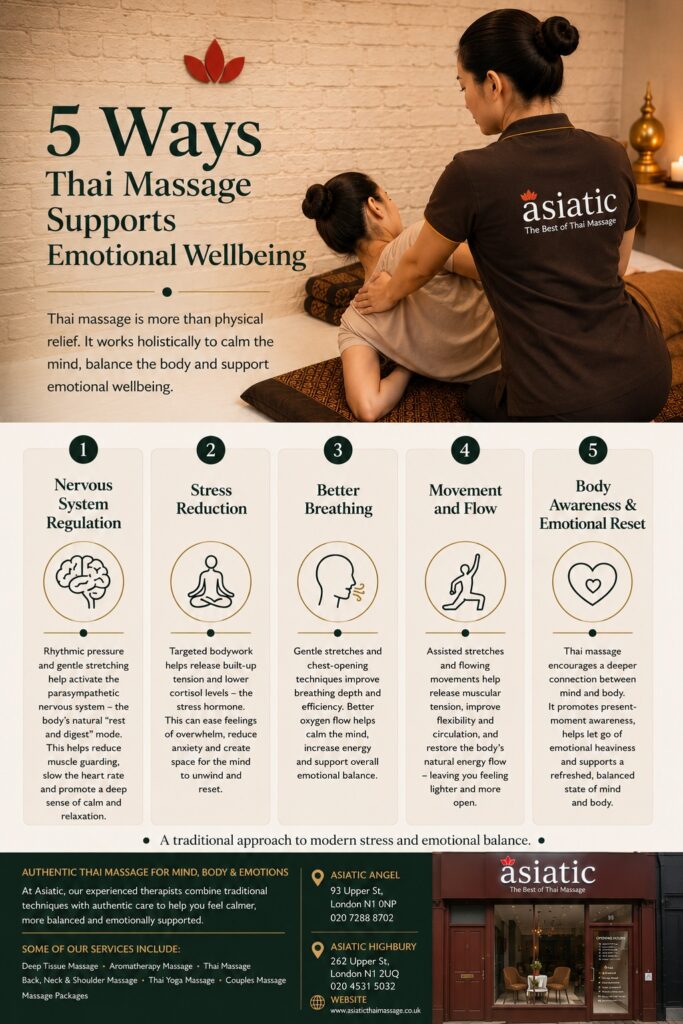
For many, the experience goes beyond relaxing the muscles. It can bring a deeper sense of calm, clarity, and emotional renewal.
Understanding the Mind-Body Connection
Understanding the mind-body connection helps explain why Thai massage feels both calming and physical. When the body is tense, guarded, or uncomfortable, the mind finds it harder to settle.
Thai massage uses steady pressure, assisted stretching, and rhythmic movement to help the body soften. Some people feel quieter, clearer, and more present after treatment. This may be linked to slower breathing, reduced muscular guarding, and the calming effect of safe, attentive touch.
Vagus nerve and the relaxation response
Gentle rocking, assisted stretching, and slower breathing techniques used in Thai massage may support the body’s relaxation response. The vagus nerve, part of the parasympathetic nervous system, helps promote a calm ‘rest and digest’ state.
While Thai massage is not a treatment for mental health conditions, many individuals report that safe, attentive bodywork helps them feel calmer after periods of stress.
How Thai massage supports relaxation
One key mental health benefit of Thai massage is stress reduction. Stress often builds quietly and shows as shallow breathing, clenched shoulders, poor sleep, irritability, or persistent muscle tension. Massage therapy offers a practical way to break this cycle.
While massage therapy may support relaxation and emotional wellbeing, it is not a substitute for medical care. If you experience warning signs such as persistent low mood, ongoing anxiety, changes in appetite, difficulty sleeping, fatigue, feelings of hopelessness, or significant changes in daily functioning, seek advice from a qualified healthcare professional. Discussing these concerns with your doctor ensures you get the right support. The NHS guidance on Generalised Anxiety Disorder (GAD) offers further information on symptoms, support, and treatment options.
A well-delivered Thai massage for mental health slows the nervous system. Mindful pressure, gentle stretching, and steady rhythm promote relaxation and help shift the body out of a heightened stress response.
This is one reason massage helps people who feel mentally overloaded and burdened by worries or tasks. By easing physical tightness, people breathe more deeply, quieten racing thoughts, and reconnect with the present. Many find that even one massage gives them space to pause, reset, and feel more emotionally steady.
Thai massage and psychological stress
Interest in Thai massage and its effects on psychological stress has grown, as many people report benefits beyond the treatment room. Research on traditional Thai massage has examined stress markers such as salivary alpha-amylase, which is sometimes used as an indicator of the body’s stress response. (Immediate Effects of Traditional Thai Massage on Psychological Stress as Indicated by Salivary Alpha-Amylase Levels in Healthy Persons, 2014, pp. 464-470)
While massage is not a substitute for medical or psychological care, studies on psychological stress indicated by salivary alpha-amylase levels in healthy persons suggest traditional Thai treatments may immediately reduce stress levels. (Sripongngam et al., 2015) In everyday language, people often feel calmer, less tense, and more settled after a session.
Clinical observations from London professionals
Many London professionals arrive physically stressed, with elevated shoulders, jaw tension, shallow breathing, muscular fatigue, and nervous system exhaustion after long commutes, desk work, emotional pressure, or overstimulation. Clients often report feeling mentally quieter, physically lighter, and emotionally calmer after carefully applied bodywork designed to encourage relaxation, breathing awareness, and reduced muscular guarding.

A quiet visual pause reflecting the connection between physical tension, emotional wellbeing and rest.
Effects of traditional Thai massage on emotional wellbeing
The effects of traditional Thai massage are often felt emotionally as well as physically. When the body carries tension for weeks or months, emotional strain builds alongside it. This is why the mental and emotional benefits of treatment are so valued.
Mental and emotional benefits of Thai massage
Among the commonly reported benefits of Thai massage are:
- A calmer state of mind
- Improved emotional balance
- Better mental clarity
- A stronger sense of connection between mind and body
- Relief from the heaviness that often comes with physical and mental exhaustion
These emotional benefits of Thai massage are especially relevant for people who spend much of the day under pressure. London professionals, parents, commuters, and active individuals often carry unseen strain. Thai massage provides an environment where both body and mind can relax and release tension.
Our experience supporting emotional wellbeing through bodywork
This article draws upon decades of practical experience working with clients experiencing stress-related muscular tension, emotional fatigue, nervous system overload, and postural strain linked to modern London lifestyles. Over the years, Asiatic Thai Massage has supported thousands of clients, including office professionals, creatives, healthcare workers, business owners, athletes, and individuals experiencing prolonged periods of mental and physical stress.
Through therapeutic bodywork, movement-based treatment, and attentive client care, we have frequently observed that emotional pressure often manifests physically as shallow breathing, jaw tension, restricted shoulders, tight hips, muscular guarding, and nervous system fatigue. In many cases, carefully applied bodywork may help clients feel calmer, more grounded, physically lighter, and emotionally settled over time.
Asiatic Thai Massage has supported clients across Angel & Highbury, Islington, since 2009 with traditional Thai bodywork, deep-tissue massage, and wellness-focused therapeutic care.
Traditional Thai massage on psychological wellbeing
A skilled massage therapist understands that no two people carry stress in the same way. Some hold it in the neck and shoulders. Others feel it in the lower back, hips, or jaw. At a trusted wellness space, treatments are carefully adapted, making Thai massage therapy feel authentic and personal.
This tailored approach matters. It allows treatment to support not just sore muscles but also the broader goal of emotional wellbeing. For many clients, it means leaving a session with more ease, lighter thoughts, and a steadier mood.
Physical benefits that also support mental health
Mental wellbeing is closely tied to physical comfort. When the body feels restricted, tired, or painful, it is harder to feel calm. One reason Thai massage appeals broadly is that its physical benefits support emotional health.
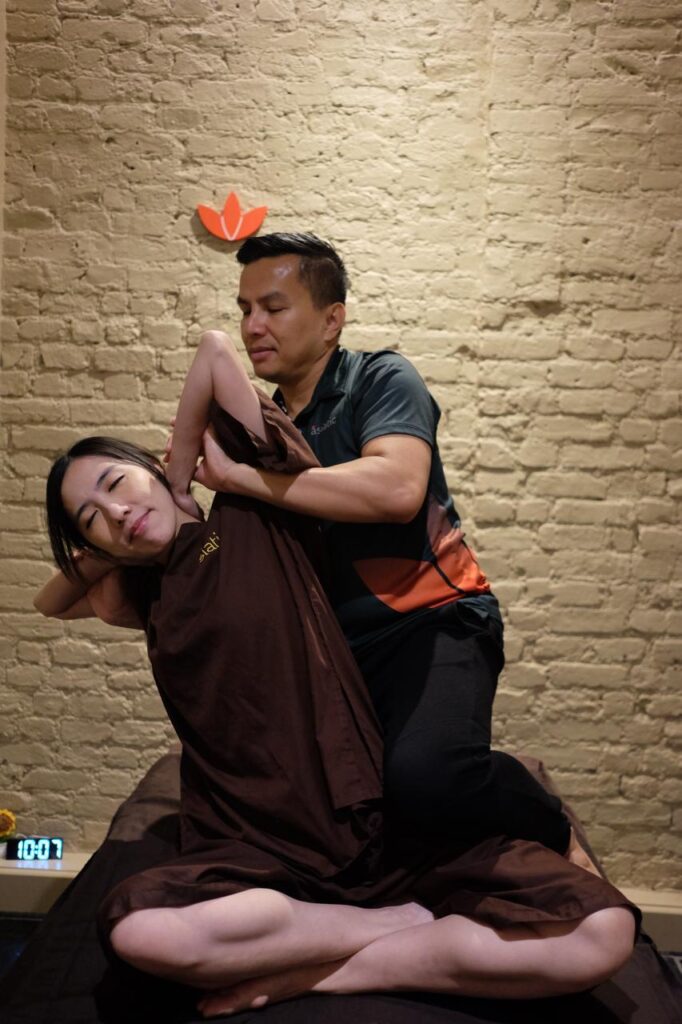
Thai massage session benefits for tension and energy
A professional Thai massage session may help with:
- Muscular tightness from desk work or commuting
- Poor posture and reduced mobility
- Back pain and shoulder discomfort
- Feelings of sluggishness or low energy flow
- Stiffness caused by inactivity or exercise
Thai massage uses assisted stretches and pressure, making it more dynamic than other massage styles. Compared to classic Swedish massage, traditional Thai massage emphasises movement and mobility. Many clients prefer this approach because it leaves them relaxed and re-energised.
For those with more pronounced muscle tension, treatments such as Deep Tissue Massage or Back Shoulder Massage may also be worth exploring, depending on individual needs.
What makes traditional Thai massage different?
Thai massage is a traditional healing practice rooted in traditional Thai medicine. It blends acupressure, assisted stretching and flowing movement into a deeply restorative treatment. Rather than using oils as in some other therapies, it often focuses on body positioning, pressure, and mobility.
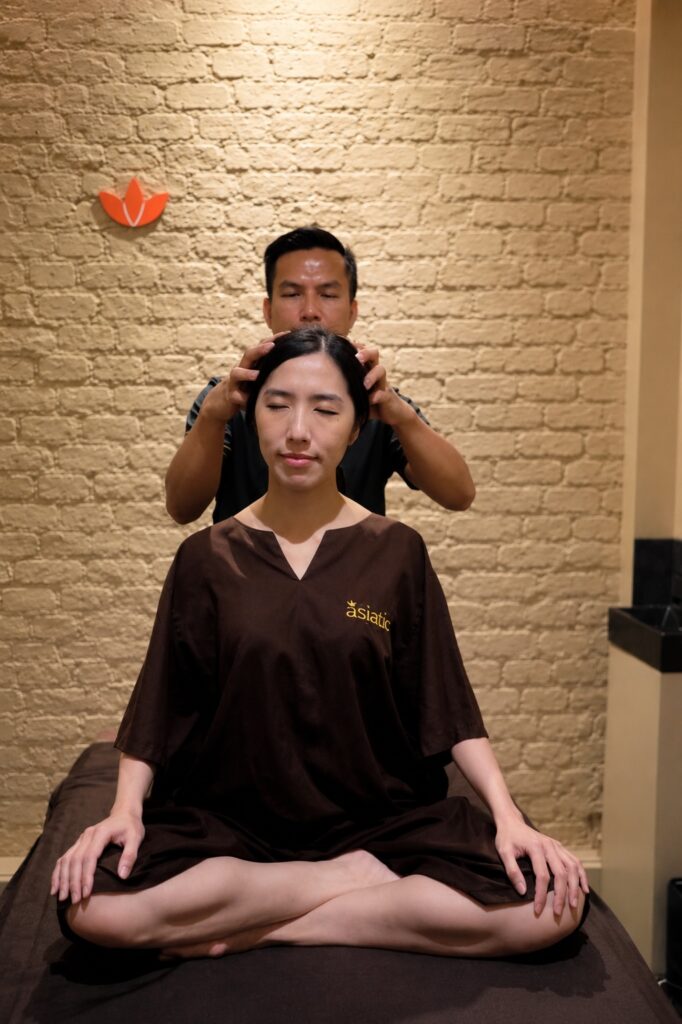
Thai massage incorporates yoga-like stretching
One distinctive aspect of Thai traditional bodywork is its incorporation of yoga-like assisted movements. This can improve flexibility, reduce stiffness and help the body feel more open. It also supports circulation and may contribute to the sense that massage enhances both physical comfort and mental calm.
Clients who enjoy this style may also be interested in Thai Yoga Massage, which offers a similarly mindful and body-aware experience.
When Thai massage may not be appropriate
Thai massage may not be suitable if you are experiencing severe emotional distress, a recent injury, fever, significant inflammation, unexplained pain, or a medical condition that needs clinical care. Please tell us about any relevant health conditions, recent changes in wellbeing or concerns before booking.
Long-term benefits of regular massage therapy
A single treatment can feel wonderful, but regular Thai massage sessions may offer lasting support for people managing ongoing pressure, tension, or mental fatigue. Clients seeking deeply calming sensory treatments may also explore Aromatherapy Massage as part of a wider wellbeing routine.
How regular bodywork may support emotional wellbeing
When massage becomes part of a wider self-care routine, it may help with:
- Managing recurring stress and anxiety
- Supporting better rest and recovery
- Supporting emotional wellbeing
- Maintaining flexibility and comfort
These are some of the health benefits people most value. In a fast-moving city, making time for restorative care is not an indulgence. For many, it is a practical way to support physical and mental resilience. People experiencing ongoing sleep disruption, stress, or emotional fatigue may also find the NHS guidance on sleep and mental wellbeing helpful alongside wider self-care and wellness support.
Those looking to make massage part of a routine may find the Packages page useful when planning ongoing treatments.
Choosing the right massage in London
Not every treatment suits every person. Some clients want gentle relaxation, while others need firmer work for tired muscles or tension. The best experience comes from choosing a professional setting where treatments are tailored with skill and care.
At a high-quality London wellness studio, trust matters. Clients want experienced therapists, excellent hygiene, a calm environment and genuine attention to their needs. That is a large part of what makes authentic Thai massage therapy feel both reassuring and effective.
For people seeking a peaceful and professional experience in the capital, exploring Thai Massage London or visiting the Islington location can be a helpful place to start. Clients seeking gentler relaxation-focused treatments may also explore Pregnancy Massage during periods of physical and emotional change.
Preparing Your Mind for a Session
To get the most out of your Thai massage session, preparation begins before you enter the treatment room.
- For comfort, wear loose, movement-friendly clothing, such as yoga pants, shorts, or a T-shirt, as Thai massage is usually performed fully clothed.
- Avoid eating a heavy meal right before your session; a light snack an hour or two before is ideal.
- Taking a few moments to relax and set your intentions can help your mind settle and enhance the experience.
- Arriving in the right headspace makes it easier to let go and fully benefit from the treatment.
- Communicate Your “Mental Load”: Don’t be afraid to tell your therapist if you are feeling particularly overwhelmed or exhausted. They can adjust the lighting, pressure, and pace to better suit your emotional state.
- The Post-Massage “Grace Period”: Avoid rushing back into a high-stress meeting or a crowded tube carriage immediately. Allow yourself 15–20 minutes to sit quietly and let the feeling of emotional balance settle in.
Conclusion: Thai massage for mental health and emotional balance
When life gets overwhelming, taking care of your body can also help your mind. Thai massage is known for bringing both physical relief and a sense of calm. With stretching, gentle pressure and mindful touch, it can ease muscle tension, help you relax and quiet your thoughts.
For those with busy London lives, Thai massage can help both body and mind slow down. At Asiatic Thai Massage, you’ll find personalised care, skilled therapists and a relaxing setting where you can pause and recharge. All our therapists are fully qualified, meet recognised standards and keep their skills up to date to ensure safe, effective treatments.
To explore suitable treatments or make an enquiry, visit our contact page or speak with our team before booking.
Professional & Medical Disclaimer
Thai massage and therapeutic bodywork help with relaxation, comfort, stress relief, and general wellbeing. They are not a substitute for medical, psychiatric, psychological, or emergency care. If you have severe anxiety, depression, trauma, chronic pain, neurological symptoms, or ongoing mental health issues, please consult a qualified healthcare professional. At Asiatic Thai Massage, we tailor treatments to your comfort and stay within our professional scope. Your safety, wellbeing, and proper referrals are always our top priorities.
FAQs
Is Thai massage good for mental health?
Thai massage can support mental wellbeing by promoting relaxation, easing physical tension and helping to reduce stress. While it is not a replacement for medical or psychological treatment, many people find it helpful for emotional balance and overall wellbeing.
Can Thai massage help with stress and anxiety?
A professional Thai massage session may help with stress and anxiety by encouraging the body to relax and releasing built-up tension. Many clients report feeling calmer, clearer and more grounded after treatment.
How often should I have a Thai massage for stress relief?
That depends on your lifestyle, stress levels and physical needs. Some people book occasionally when they feel tense or overwhelmed, while others prefer regular massage as part of a wider self-care routine. A qualified therapist can help suggest a suitable approach based on your comfort level and goals.
Can Thai massage help with back pain caused by stress or desk work?
Yes, Thai massage may help relieve back pain linked to poor posture, long hours sitting and muscular tension. By combining pressure work and assisted stretch techniques, a professional treatment can ease stiffness and help the body feel more comfortable and supported.
What should I expect during a Thai massage session?
A Thai massage session usually involves guided stretching, rhythmic pressure and movement-based massage therapy designed to relax the body and support emotional wellbeing. Your therapist may tailor the session to your comfort level and focus on areas of tension such as the shoulders, back and legs.
© 2026 Asiatic. All rights reserved. Original editorial concepts, proprietary terminology, structural layouts, and creative content within this article are subject to ongoing digital monitoring and content protection systems.