Thai Yoga Massage in London
Master-Led Thai Yoga Massage methodology with assisted stretching, rhythmic compression and pressure-based bodywork at our Upper Street studios in Angel and Highbury. Shaped by Ben Pianese’s practice since 2001.
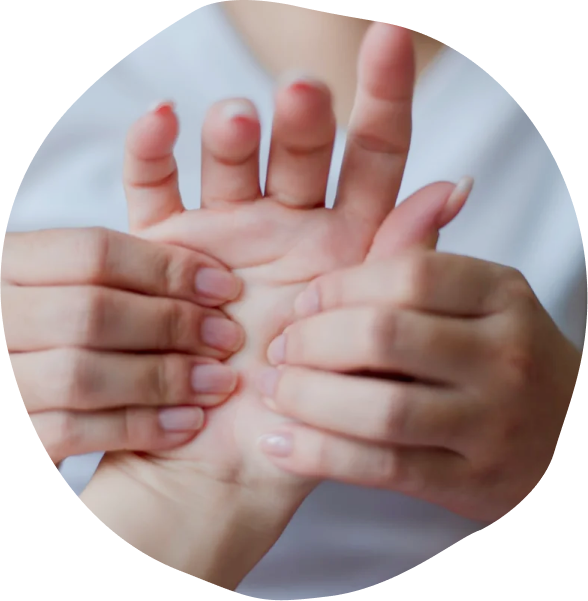
The Benefits of Thai Yoga Massage
Thai Yoga Massage FAQs:
Clear answers before you book.
.
You can expect a professional, movement-based bodywork session. It is fully clothed, uses no oil, and is usually performed on a padded mat. Your therapist will use assisted stretching, rhythmic compression, and careful body positioning adapted to your comfort and mobility.
Thai Yoga Massage focuses on assisted stretching, rhythmic pressure, and supported movement without oil. Deep tissue massage is usually oil-based and applies firmer, more localised pressure to areas of muscle tension.
You can book Thai Yoga Massage at Asiatic Angel, 93 Upper Street near Angel station, or Asiatic Highbury, 262 Upper Street near Highbury & Islington station. Both studios offer the same Master-Led™ approach.
We recommend wearing loose, comfortable clothing that allows easy movement, such as gym or yoga-style clothes. Thai Yoga Massage is usually performed fully clothed and does not use oil.
This depends on your body, lifestyle and reason for visiting. Some guests book Thai Yoga Massage occasionally as a full-body reset, while others visit more regularly as part of their self-care routine. Your therapist can suggest a suitable rhythm based on your comfort, mobility and treatment preference.
Traditional Thai massage and Thai Yoga Massage are closely connected, but Thai Yoga Massage places a stronger emphasis on assisted stretching, supported movement and careful body positioning. Traditional Thai massage may include stretching, too, but it is usually more pressure-based, with rhythmic compression and broader bodywork.
We ask for at least 24 hours’ notice if you need to cancel or reschedule your appointment. Please check your booking confirmation for the full cancellation terms attached to your appointment.
Thai Yoga Massage may suit guests experiencing neck, shoulder, back, or hip tension from desk work, commuting, or prolonged sitting. Your therapist can adapt the session to your comfort and focus areas.
Yes. You do not need to be flexible. Your therapist will adapt the assisted stretching, pressure, and pace to your comfort, mobility, and the reason for your visit.
Thai Yoga Massage is sometimes called lazy yoga because your therapist guides your body through supported stretches and positions while you remain relaxed. You do not need to do yoga yourself.
After your session, we recommend drinking water and giving your body time to settle before returning to a busy schedule. If possible, avoid intense exercise immediately afterwards and notice how your body feels over the next day or two.
Thai Yoga Massage is adapted to the individual, but it may not be suitable for everyone. If you are pregnant, recovering from surgery, have a recent injury or have a medical condition, please seek professional medical advice before booking and let our reception team know before your appointment.
Thai Yoga Massage may suit active guests, runners, and people who train regularly, especially those seeking movement-based bodywork with assisted stretching and rhythmic compression. Your therapist will adapt the session to your comfort, mobility and reason for visiting.
Thai Yoga Massage includes assisted stretching, but it is not simply a stretching session. Your therapist also uses rhythmic compression, pressure-based bodywork and supported positions, adapting the session to your comfort, mobility and reason for visiting.