Sports Massage in Angel, Islington & Highbury

We offer focused soft-tissue massage to help with training recovery, everyday muscle tension, and active lifestyles. You can find us at our Angel and Highbury studios on Upper Street.
What Is Sports Massage?

Sports Massage is a focused style of massage designed for people who place regular demand on their muscles, joints and soft tissues. This may include running, gym training, cycling, sports, physical work, commuting, desk work, or simply living an active London lifestyle.

At Asiatic, our Sports Massage uses focused pressure, assisted stretching and movement-based techniques.  It is designed for runners, gym-goers, desk workers and active clients who want more targeted bodywork than a general relaxation massage.

We tailor each treatment to your body, comfort level, activity level, and reason for visiting. Your therapist will focus on areas that feel tight, heavy, overused or restricted, while keeping communication open throughout your session.

Sports Massage differs from a relaxing massage in that it focuses on how your body moves. Your sports massage therapist may work on specific muscles, areas of tension, movement restrictions, or parts of your body that feel overworked from training, posture, or repetitive movements.

We don’t force the body or cause unnecessary discomfort. A good Sports Massage should feel purposeful, responsive, and well-controlled. At Asiatic, we adjust the pressure to your comfort level, and your therapist will check in with you during treatment.

Sports Massage is not a medical treatment and does not replace physiotherapy, diagnosis or injury care. If you have a sharp injury, swelling, numbness, recent trauma or unexplained pain, please speak with a qualified healthcare professional before booking.

Master-Led Somatic Bodywork™ for Active Londoners

Sports Massage at Asiatic is shaped by more than 25 years of hands-on bodywork experience, Thai bodywork principles and a movement-aware understanding of how active bodies respond to load, pressure and stretching. Ben Pianese, co-founder of Asiatic, has worked with clients experiencing soft-tissue discomfort, restricted movement and limited range of motion since 2001.

This experience shapes how we approach the body. We do not simply press on the sore spot. We consider how connected areas may be contributing to how you feel, such as hips and glutes affecting lower back comfort, or calves and hamstrings affecting how the legs feel after running.

Over the years, Ben has worked alongside osteopaths, physiotherapists and other health professionals, giving Asiatic a practical understanding of when massage may be helpful and when a client should be referred for medical or clinical assessment.

We focus on careful, clear communication during every session. Some clients feel more comfortable or notice better movement after just one session, but results can vary. Please note, Sports Massage at Asiatic is not a substitute for medical diagnosis, physiotherapy, or injury treatment.

Sports Massage vs Deep Tissue Massage

Both Sports Massage and Deep Tissue Massage can use firm pressure, but they are not the same.

Clients often choose Deep Tissue Massage when they want more intensive work on areas that feel tight, heavy, or tense. It’s good for general muscle tension, desk-related tightness, or if you simply prefer a firmer massage.

Sports Massage is more focused on function and movement. Runners, gym-goers, active professionals, and anyone wanting targeted work on training, mobility, recovery, or repeated movements often choose this option.

Sports Massage can include deeper pressure, slower soft-tissue techniques, trigger-point work, assisted stretching, and mobility-focused bodywork. Your treatment is guided by your activities, training, areas of restriction, and the pressure you find comfortable.

If you’re not sure which treatment is right for you, our reception team can help you choose between Sports Massage, Deep Tissue Massage, Thai Massage, or a longer massage package.

Who Is Sports Massage For?

Sports Massage isn’t just for professional athletes. At Asiatic, many people who use their bodies regularly choose it for more focused support than a general relaxation massage.

It may be suitable for:

  • Cyclists with tired legs, hips or lower back tension
  • Runners preparing for or recovering from training
  • Clients who prefer firmer, more specific massage
  • Desk workers with tight shoulders, neck tension or hip stiffness
  • Gym-goers and weightlifters managing regular training demands
  • Commuters who feel heavy, tired or restricted after long days in London
  • People who want support with general mobility, comfort and body awareness
  • Personal trainers and movement professionals who use massage as part of their maintenance routine

Many of our regular clients are personal trainers, active professionals, and gym-goers who use massage as part of their routine. They choose Sports Massage to help with comfort, mobility, and recovery between training sessions.

Sports Massage for Runners, Gym-Goers and Active Londoners

Training creates repeated load through the muscles and connective tissues. Running may place demand on the calves, hamstrings, glutes, hips and lower back. Gym training may load the shoulders, chest, back, hips and legs. Cycling may create tightness around the hip flexors, quads, calves and spine.

Sports Massage can focus on the areas that feel most affected by your activity. Your therapist may work on the legs after running, the back and shoulders after lifting, or the hips and glutes if your movement feels restricted.

For runners, Sports Massage may include work around the calves, hamstrings, quadriceps, glutes, hips and lower back. For gym-goers, it may focus on the shoulders, chest, upper back, arms, legs or areas that feel overused from repeated training.

Our goal is to help you feel more comfortable, mobile, and in tune with your body. We don’t force the muscles or make the treatment painful. The pressure should feel helpful, not overwhelming.

Sports Massage for Desk Workers

You don’t have to be training for a race to benefit from Sports Massage. Many London clients come to us for focused bodywork due to desk posture, commuting, screen time, or long hours of sitting.

Desk work can leave the neck, shoulders, chest, lower back and hips feeling tight or compressed. The body may feel stiff because some muscles are held in shortened positions, while others become fatigued from maintaining posture for long periods.

We sometimes describe this as support for the “desk athlete”: people whose bodies handle repeated load from sitting, commuting, screen work and long days, even if they are not training for sport.

At Asiatic, Sports Massage for desk workers may focus on the neck, shoulders, upper back, lower back, hips and legs. Assisted stretching may also be used where appropriate to help the body feel less restricted.

This is one reason Sports Massage can be useful for both athletes and office professionals. It is a functional treatment for bodies under repeated load, whether that load comes from training, sitting, commuting or physical work.

What to Expect During Your Session

Your session starts with a short consultation. Your therapist will ask about your activity level, pressure preference, focus areas, and anything to avoid. Most clients choose a 60- or 90-minute massage, which allows time for both consultation and focused bodywork. If you’re unsure about the best session length, our team can help you decide based on your goals and preferences.

We don’t diagnose or treat injuries, but we start with a brief consultation to understand how your training, posture, desk work, or daily routine might affect areas that feel tight or restricted.

You may be asked about recent training, desk work, travel, tightness, previous injuries or areas that feel restricted. This helps your therapist adapt the treatment to your body and the reason for your visit.

During the massage, your therapist may use focused pressure, slower soft-tissue techniques, assisted stretching and movement-aware bodywork. Some areas may feel tender, especially if the tissue is tight or overused, but the treatment should remain within your comfort zone.

Your therapist will check in with you during the session. If the pressure feels too strong, too light, or uncomfortable, let us know. Good communication is part of your treatment.

Pressure, Communication and Comfort

Sports Massage does not need to be painfully intense to be effective. At Asiatic, we work with controlled pressure, not force.

Muscles often respond better when your body feels safe. If the pressure is too strong, your body may tense up. That’s why we keep communication clear and adjust the pressure to match your comfort and your body’s response.

Some clients prefer firm work. Others need a slower and more gradual approach. Your therapist will adjust the treatment based on the area being treated, your sensitivity, and your body’s response during the session.

We aim to provide a focused treatment that feels helpful and professional, and that always respects your limits.

Techniques Used in Sports Massage

Your Sports Massage may include a combination of techniques depending on your needs, the therapist’s assessment, and your comfort level.

These may include:

  • Slow compression
  • Rhythmic pressure
  • Assisted stretching
  • Deep tissue techniques
  • Trigger-point-style work
  • Focused soft-tissue pressure
  • Myofascial-style release techniques
  • Thai bodywork-informed mobility work
  • Focused work around legs, hips, shoulders, back or neck

We don’t use every technique in every session. Your sports massage therapist will adapt the treatment to your body, activity level, and the reason you booked.

When Sports Massage May Not Be Suitable

Sports Massage may not be suitable for everyone. Please speak with a qualified healthcare professional before booking if you have a recent injury, sharp pain, swelling, numbness, unexplained symptoms, recent surgery, fractures, concerns about blood clots, severe varicose veins, fever, infection, skin conditions, or any medical condition that may affect the suitability of massage.

Please also let our reception team know before your appointment if you are pregnant, have a medical condition, take medication that affects bruising or bleeding, or have any areas to avoid.

At Asiatic, Sports Massage is for general wellbeing, muscular comfort, body awareness and maintenance. It is not a replacement for medical advice, physiotherapy, diagnosis or injury treatment.

Why Choose Asiatic for Sports Massage in Islington?

Asiatic has been part of the Islington community since 2009, with two studios on Upper Street in Angel and Highbury. Our Sports Massage is offered in a calm boutique and wellness setting by trained, insured therapists who understand pressure, comfort, and bodywork.

Clients choose Asiatic for:

  • Focused soft-tissue work
  • Pressure adapted to your comfort
  • Founder-led bodywork experience
  • ITEC and VTCT qualified therapists
  • Fully insured treatment standards
  • Two convenient Upper Street locations
  • Assisted stretching where appropriate
  • Ben Pianese’s hands-on practice since 2001
  • Clear communication before and during the session
  • Sports Massage in Angel, Islington and Highbury
  • A calm boutique setting rather than a rushed clinic feel
  • Experience with active Londoners, runners, gym-goers, personal trainers and desk workers

This is what sets Asiatic apart from many Thai massage places and sports massage clinics. We combine Thai bodywork heritage, deep tissue experience, sports-focused soft-tissue work, and a calm, boutique environment.

The result is a treatment that feels focused yet not mechanical, strong yet never careless, and professional while remaining warm and welcoming.

Sports Massage in Angel and Highbury

Asiatic offers Sports Massage at both of our Upper Street studios.

Asiatic Angel is located at 93 Upper Street, close to Angel station and convenient for clients visiting from Angel, Islington, Clerkenwell, King’s Cross and nearby central London areas.

Asiatic Highbury is located at 262 Upper Street, close to Highbury & Islington station and convenient for clients visiting from Highbury, Canonbury, Holloway, Finsbury Park and nearby North London areas.

Both studios provide a calm, professional space for clients who want focused bodywork without feeling rushed.

You can book Sports Massage as a focused treatment or combine it with other massage styles.

Popular options include:

  • Sports Massage for focused soft-tissue work
  • Massage packages for longer, better-value treatments
  • Sports Massage + Thai Massage for stretching and traditional bodywork
  • Sports Massage + Thai Foot Massage for tired legs and lower-leg work
  • Sports Massage + Deep Tissue Massage for firmer pressure and muscular comfort

If you’re not sure which option is best, our reception team can help you choose the right session length and treatment style.

How to Prepare for Sports Massage

Try to arrive a little early so you have time to settle in before your treatment.

Before your session, let your therapist know your preferred pressure, activity level, recent training, areas of tightness, and anything you’d like to avoid. Also mention any injuries, recent surgery, pregnancy, medical conditions, medication, or concerns about whether massage is right for you.

If you are training for an event, let your therapist know where you are in your training cycle. A lighter approach may be more suitable before an event, while more focused work may be preferred during general maintenance or after a demanding training period.

Avoid eating a heavy meal just before your massage. If you feel unwell, have sharp pain, or are unsure if Sports Massage is right for you, contact the studio or speak with a healthcare professional before booking.

After Your Session

After your Sports Massage, give your body some time to settle. Some people feel lighter or more mobile right away, while others might feel tired or a bit tender later in the day.

Drink water, move gently, and avoid jumping into intense training if you feel tired. If you’re preparing for an event, ask your therapist about timing and pressure so your treatment fits your schedule.

If you notice sharp, unusual or ongoing discomfort after your session, please speak with a qualified healthcare professional.

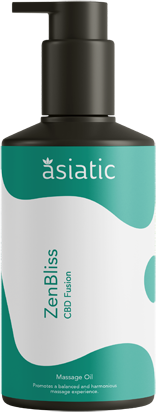
Select ZenBliss® Deep Tissue Massage Oil Blend

Enhanced Recovery. We use bespoke ZenBliss® organic oil blends to facilitate the deep friction required for our Anatomical Protocol.

Relax and unwind in tranquillity with our deep massage sessions. Opt for ZenBliss® CBD Oil (+£8) to enhance your experience and leave you feeling rejuvenated and empowered.

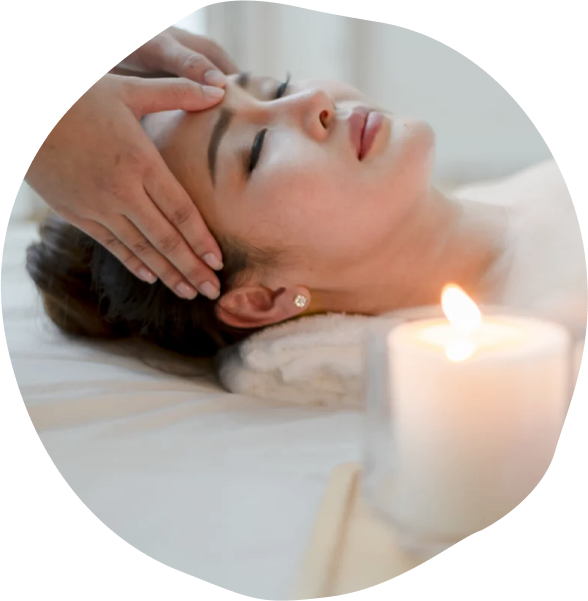
Close-up of a client in a state of deep relaxation during a professional deep tissue massage session

The Benefits of of Sports Massage

Focused

Target areas that feel tight, heavy or overused with purposeful soft-tissue work adapted to your body.

Mobile

Assisted stretching and movement-aware techniques can help your body feel freer, lighter and less restricted.

Restorative

Support training, desk posture, and active living with a session focused on comfort and body awareness.

FAQs

More info on Deep Tissue massage.

No. Sports Massage is often chosen by runners, gym-goers and active people, but it can also be useful for desk workers, commuters and anyone who wants focused soft-tissue work. It is suitable for many people who feel tight, heavy, or restricted due to repeated movement, training, or posture.

Many runners choose Sports Massage for focused work on the calves, hamstrings, quadriceps, glutes, hips and lower back. It may support general comfort, mobility and recovery between training sessions, although it does not replace medical care for injury.

Sports Massage can be useful for desk workers who feel tight around the neck, shoulders, chest, lower back or hips. It uses a more focused approach than a purely relaxing massage and can be adapted to posture-related tension from sitting and commuting.

You can book online, buy a gift voucher or contact our reception team for help choosing the right treatment and session length. Sports Massage is available at both Asiatic Angel and Asiatic Highbury.

Most clients book either a 60-minute or 90-minute Sports Massage. A 60-minute session can focus on key areas, while a 90-minute session allows more time for soft-tissue work, assisted stretching and several focus areas.

Deep Tissue Massage is usually chosen for firmer work on general muscular tension. Sports Massage is more functional and movement-aware, often focusing on activity patterns, training load, mobility and specific areas used in sport or daily movement.

Sports Massage can feel strong or tender in certain areas, but it should not feel unbearable. At Asiatic, pressure is adapted to your comfort, and your therapist will check in throughout the session. The aim is focused, productive pressure rather than unnecessary pain.

Yes. Gym-goers often book Sports Massage for areas that feel tight, heavy, or overused after training, such as the shoulders, chest, back, hips, glutes, or legs. The treatment can be tailored to your training style and preferred pressure.

The right frequency depends on your activity level, comfort and reason for booking. Some active clients book every two to four weeks for general maintenance, while others book only when they feel tight or tired. Your therapist can advise based on your session.

If you have a recent injury, sharp pain, swelling, numbness, unexplained symptoms or a medical concern, please speak with a GP, physiotherapist or qualified healthcare professional before booking. Sports Massage at Asiatic does not replace medical diagnosis or treatment.

Wear comfortable clothing to arrive in. Your sports massage therapist will explain privacy and draping before the session begins, and only the area being worked on will be uncovered. If your massage relates to training, running or gym work, please tell your therapist about your recent activity and any areas that feel tight or restricted.

You can book a Sports Massage at Asiatic Angel, 93 Upper Street, or Asiatic Highbury, 262 Upper Street. Both studios are located on Upper Street, Islington.

Book