Are you searching for the best deep tissue massage in London because your body feels tense, heavy, sore or run-down?
London has many massage places. You can book a luxury hotel spa, a clinical sports massage, a local studio, a physiotherapy treatment, or a specialist bodywork session. The challenge is choosing the right place for your body, lifestyle, and reason for treatment.
At Asiatic, we think deep tissue massage is about more than just pressure. Many people believe that deep tissue means a hard massage. Still, this misconception arises when clients and therapists focus on force rather than skill, technique, and an understanding of the body.
True deep tissue massage works with the deeper layers of muscle and connective tissue to support better movement, reduce tension, and help the body function more comfortably. A skilled deep tissue massage therapist should understand which muscles they are working on, why those muscles feel restricted, and how to adapt pressure to the person in front of them.
A simple way to understand the therapist’s knowledge is to ask: “Which muscle are you working on?” or “How does this muscle function?” A professional therapist should be able to explain this clearly and calmly, without making the treatment feel overly technical or intimidating.
A good deep tissue massage isn’t about how hard the therapist presses. It’s about how well they listen, how carefully they adjust, and whether the treatment feels helpful, safe, and tailored to your needs.
This guide brings together a smaller, more carefully chosen selection of London massage places, with clear advice on what each one is best suited to.
Some are luxury spa experiences, some are more clinical, and some are modern massage studios. Asiatic sits in a different space: a massage boutique offering Thai-informed bodywork, deep-pressure skill, and a Master-Led somatic bodywork™ approach shaped by years of hands-on experience.
A note for Islington and North London readers
This guide covers London-wide options for deep tissue massage, including luxury spas, modern massage studios and clinical settings.
For Islington residents, Angel professionals, Highbury & Islington commuters and North London guests looking for a regular, expert massage rhythm, Asiatic offers two Upper Street studios: Asiatic Angel at 93 Upper Street and Asiatic Highbury at 262 Upper Street.
A Central London spa may be ideal for a one-off luxury experience. A local Massage Boutique & Wellness may be better if you want continuity of care, a therapist who knows your body over time, and a routine that fits your life.
Main takeaways
- Deep tissue massage in London varies widely. A hotel spa, a sports clinic and a specialist massage boutique may all offer deep tissue massage, but the experience can feel very different.
2. The best deep tissue massage is not always the strongest. Good pressure should feel purposeful, controlled, and adapted to your body.
3. If you are dealing with desk-work tension, tight shoulders, heavy legs, training fatigue or general muscular stiffness, deep tissue massage may help you feel more comfortable and mobile.
4. If you have had recent surgery, unexplained pain, swelling, numbness, an acute injury, or a medical condition, seek advice from a qualified healthcare professional before booking.
5. For guests in Islington, Angel, Highbury and Upper Street, Asiatic offers a personalised approach to deep tissue massage shaped by skilled hands, careful listening and continuity of care.
Editorial Note
This guide was written by Team Asiatic and reviewed by Ben Pianese, Co-Founder of Asiatic, bodywork practitioner and sports massage therapist since 2001. Asiatic Thai Massage has served the Islington community since 2009.
Prices, treatment menus and opening times can change. Please check each venue directly before booking.
What is deep tissue massage?
Deep tissue massage is a focused style that targets deeper layers of muscle tension. It is often chosen by people who feel tight, stiff, heavy, or restricted in areas like the neck, shoulders, back, hips, legs, or feet.
It may involve slower pressure, focused work on specific areas, and techniques using hands, thumbs, forearms, or elbows. The aim is not to create pain or intensity but to work at an appropriate depth so the body can soften, release, and respond.
Deep tissue massage may be useful for people who experience:
- Desk-work tension
- Neck and shoulder tightness
- Lower-back stiffness
- Training or gym-related fatigue
- Heavy legs from standing or walking
- Muscular tension from travel or commuting
- A preference for firmer, more focused massage
However, deep tissue massage should always be adapted. Treatments that are too strong, fast, or aggressive can leave the body feeling guarded rather than helped.
A skilled therapist should know when to work deeply and when to ease back.
Deep tissue massage is not just “hard pressure”
One of the biggest misunderstandings about deep tissue massage is that it must be painful to be effective.
Firm pressure can be useful only when controlled and appropriate. Deep tissue massage should feel purposeful, not careless. You may feel intensity, but you should still feel safe enough to breathe, relax, and communicate with your therapist.
At Asiatic, we remind guests that the body does not need to be forced. The best results come from the right combination of pressure, pace, positioning, listening, and trust.
If your shoulders, neck or lower back are holding tension from desk work, commuting or long hours on screens, our Angel and Highbury treatments are designed to support regular body maintenance rather than a one-off quick fix.
You can explore our deep tissue massage options at Asiatic Angel or Asiatic Highbury, whichever Upper Street studio is most convenient for you.
How we selected these deep tissue massage places in London
This guide is not a paid ranking. It is an editorial guide designed to help readers understand different types of deep tissue massage options in London.
We considered:
- Treatment style
- Therapist experience
- Reputation and public visibility
- Location and accessibility
- Suitability for different needs
- Clarity of service information
- Whether the venue feels more spa clinical, boutique or bodywork-focused
We reduced the list to fewer places so each recommendation has a clearer purpose. Rather than listing every massage business in London, this guide helps you choose the right type of place.
Quick comparison: which deep tissue massage place may suit you?

Asiatic Massage Boutique & Wellness studio, 262 Upper Street, Highbury & Islington
1. Asiatic Thai Massage — best for personalised deep tissue massage in Islington
Asiatic is a strong choice for people seeking deep tissue massage in Islington, Angel, or Highbury & Islington, especially if they prefer a treatment that feels personal rather than generic.
Our approach begins with listening. We ask where the body feels tense, what pressure feels appropriate, and what you want the session to support. Deep tissue massage at Asiatic is not about the highest pressure but about the right depth, rhythm, and sensitivity for the person in front of us.
For many guests, deep tissue massage is chosen for neck, shoulder, back, or leg tension caused by desk work, training, travel, commuting, or everyday physical demands. Our therapists adapt the session depending on how the body responds, helping the treatment feel focused, safe and supportive.
The Thai massage principle, Thai-informed bodywork, also shapes Asiatic’s deep tissue massage. This means the treatment may include a strong understanding of pressure, body positioning, rhythm and muscular release. The experience is firm when needed, but never one-size-fits-all.
While many London studios offer excellent one-off treatments, Asiatic is often chosen by guests seeking something more consistent: a long-term partner in body maintenance, management of muscular tension, and everyday structural wellbeing.
When a therapist knows your body over time, they better understand your pressure preference, tension patterns, lifestyle demands, and how your body responds after treatment. This continuity of care is valuable for desk workers, active Londoners, frequent travellers, and guests who want massage as part of a realistic wellness rhythm rather than an occasional emergency.
Asiatic has served the Islington community since 2009 and now offers two Upper Street studios:
Asiatic Angel at 93 Upper Street, close to Angel station.
Asiatic Highbury at 262 Upper Street, close to Highbury & Islington station.
Best for: personalised deep tissue massage, desk-work tension, body maintenance, local Islington clients, and guests looking for a trusted Upper Street massage boutique.
Good to know: Asiatic is not a hotel spa or a clinical physiotherapy centre. It is an original massage boutique and wellness brand with two Upper Street studios, focused on skilled hands, calm spaces, and treatments tailored to the individual.
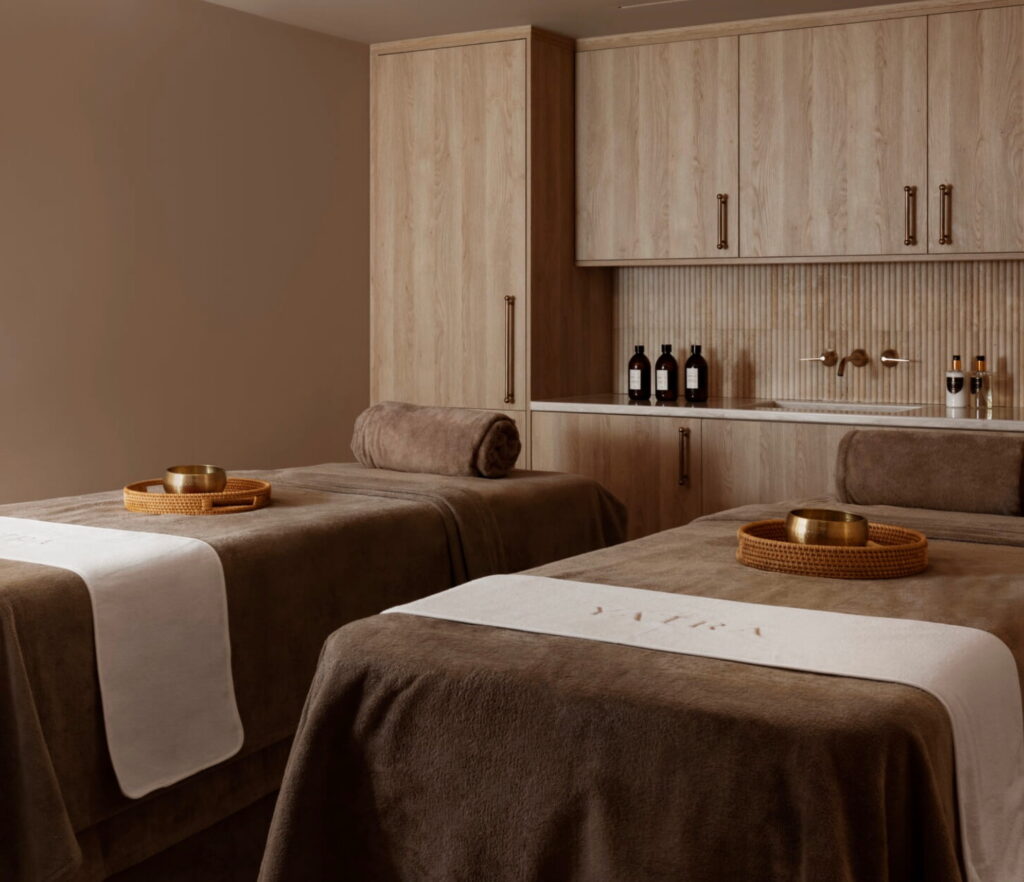
Yātrā Luxury massage spa – 2 Wallenberg Place, London, W1H 7TN
2. YĀTRĀ Signature Spa at Montcalm Mayfair — best for luxury Mayfair spa atmosphere
YĀTRĀ Signature Spa at Montcalm Mayfair is a good choice for people who want a deep tissue massage as part of a wider luxury spa experience.
Located in Mayfair, the spa offers a calm hotel setting with private treatment rooms, thermal facilities and a more immersive wellness atmosphere. This may suit visitors staying nearby, people planning a special occasion, or Londoners who want the massage to feel like part of a complete spa day rather than a quick appointment.
YĀTRĀ’s treatment philosophy blends ancient wellness traditions with modern techniques, making it a good fit for guests who want a polished, sensory spa experience in central London.
Best for: luxury Mayfair spa atmosphere, hotel guests, special occasions and people who want a massage alongside spa facilities.
Good to know: This is a hotel spa experience so that it may suit a one-off luxury visit better than a regular maintenance routine. For current treatments, prices and availability, check Montcalm Mayfair directly before booking.
3. One Body LDN — best for clinical and physio-led support
One Body LDN is a strong option for those seeking a more clinical approach. It is especially relevant for those seeking physiotherapy-led care, sports injury support, or rehabilitation-focused treatment.
For some, this is the right choice. If you have an injury, ongoing pain, movement limitation, or complex musculoskeletal issue, a clinical setting may be more appropriate than a spa or massage boutique.
Deep tissue massage in a clinical environment may feel different from a relaxation-led massage. The focus may be more functional, assessment-based and connected to recovery or performance.
Best for: people with injury concerns, sports-related issues, rehabilitation needs or those who prefer a physiotherapy-led environment.
Good to know: If you are unsure whether massage is suitable for your condition, a physiotherapy-led clinic may be a sensible starting point.

Sense massage spa, 252 High Holborn, London WC1V 7EN
4. Sense Spa at Rosewood London — best for luxury hotel spa atmosphere
Sense Spa at Rosewood London is a high-end hotel spa experience. This is the kind of place to choose if you want a deep tissue massage in a luxury setting, especially if you are staying nearby, travelling for work, or looking for a more indulgent treatment environment.
A luxury hotel spa offers more than the massage itself. The setting, hospitality, changing facilities, and atmosphere all contribute to the experience.
This may not be practical for everyone, especially if you want regular massage maintenance. But for a special occasion, business travel, or high-end wellness experience, it has a clear place in London’s massage landscape.
Best for: luxury spa experience, hotel guests, special occasions and visitors to central London.
Good to know: Luxury hotel spas usually cost more than independent massage studios or local clinics.

The Ness massage spa, 27 Poultry, London, EC2R 8AJ
5. Cowshed at The Ned — best for hotel spa relaxation in the City
The Ned is another strong option for those seeking a spa experience in a hotel setting. Located in the City of London, it may suit people working nearby, staying at the hotel, or seeking a premium relaxation experience.
This is less about quick muscular maintenance and more about the full spa atmosphere. If your priority is to slow down, escape the City’s pace, and enjoy a polished spa environment, this may suit you.
Best for: hotel spa relaxation, City workers, visitors and guests looking for a premium setting.
Good to know: If your main concern is specific muscle tension, make sure to explain your focus areas before the treatment begins clearly.

Santi massage studio, 33 Thurloe Street, London, GB SW7 2LQ
6. Santi London — best for South Kensington spa-style massage
Santi London is a well-known wellness spa in South Kensington offering a range of massage and beauty treatments. It may suit people who want a spa-style experience in West London, with massage as part of a wider self-care routine.
This venue can be a good choice if you want a polished environment and a broader treatment menu. It is especially useful for people who live or work in West London and want a regular local option.
Best for: South Kensington, spa-style massage, general wellbeing and a wider treatment menu.
Good to know: As with any spa, explain whether you want relaxation, firm pressure, or more focused deep-tissue work before the session begins.

The Plane Tree massage clinic, 31 Roman Road, London, E2 0HU, England
7. The Plane Tree — best for an East London clinic option
The Plane Tree in Bethnal Green offers a more clinic-style environment with a variety of therapies. This may suit people in East London who want more than a standard spa massage and prefer a multi-disciplinary setting.
For some clients, a clinic environment feels reassuring because it offers a wider treatment context. This is useful if you are exploring different forms of bodywork or complementary care.
Best for: East London clients, clinic-style treatment and people who prefer a local multi-disciplinary environment.
Good to know: Check directly with the practitioner to see which ones offer deep-tissue massage and whether their approach matches your needs.
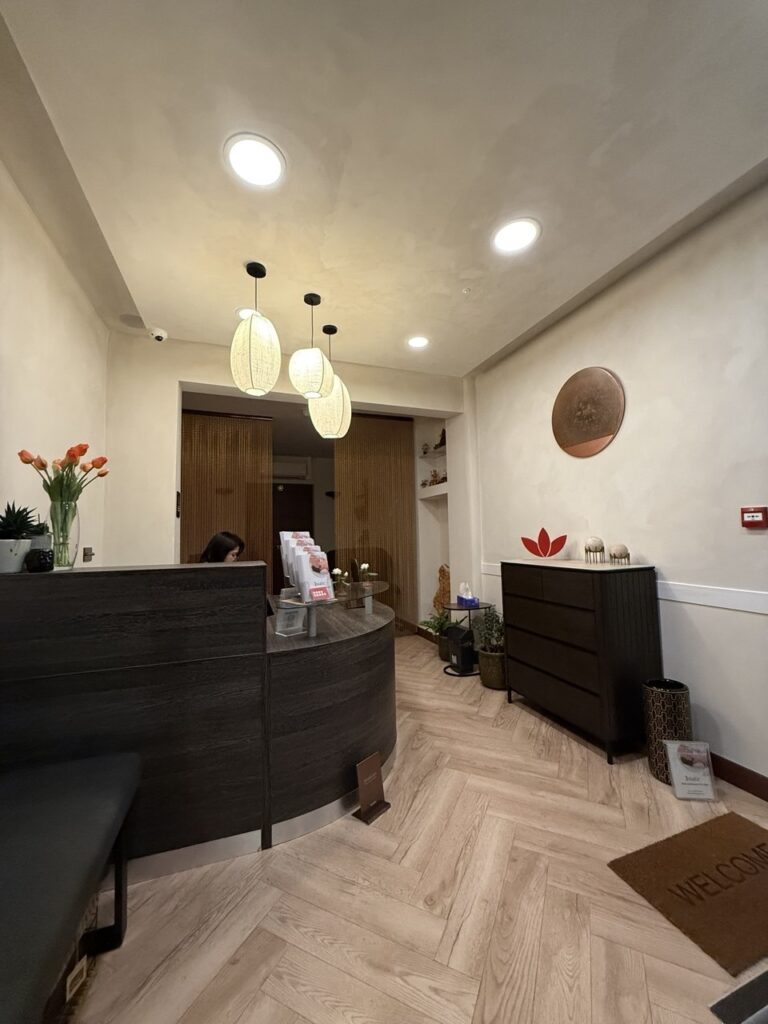
Asiatic Thai massage Bouitque studio, 93 Upper Street, N1 0NP
Spa, clinic or massage boutique: which one should you choose?
The best deep tissue massage in London depends on what you are looking for.
A luxury spa may be best if you want a full experience: beautiful surroundings, robes, relaxation areas and a sense of escape.
A clinical or physiotherapy-led clinic may be best if you have an injury, a movement issue, or a need for rehabilitation.
A modern massage studio may be best if you want convenience, simple booking and a clean treatment menu.
A massage boutique such as Asiatic may be best if you want skilled hands, continuity of care, a more personal approach, and a treatment tailored to your body rather than delivered as part of a standard routine.
The right place is not always the most expensive. It is the one that matches your body, expectations, and level of care you need.
What to expect from a good deep tissue massage
A good deep tissue massage should begin with a brief consultation. Your therapist should ask about your tension, pressure preference, lifestyle, injuries, medical concerns and the areas you want to focus on.
The treatment should feel firm where appropriate, but not careless or aggressive. Deep tissue massage does not need to be painful to be effective.
A skilled therapist should know when to work slowly, when to ease back and when to adapt the technique.
You should feel able to speak during treatment if the pressure is too strong, light, or not quite right. Good communication is part of good bodywork.
After treatment, temporary tenderness may occur, especially after strenuous work. But you should not feel bruised, unsafe or unable to move normally.
Deep tissue massage vs sports massage: what is the difference?
Deep tissue massage usually focuses on deeper muscular tension and areas that feel tight, heavy or restricted. It can be useful for people with desk work tension, postural strain, general stiffness, or long-standing muscular tightness.
Sports massage is often more specific to training, performance, recovery or repetitive movement. It may include stretching, targeted techniques and recovery-focused work around a sport or activity.
The two treatments can overlap. The best choice depends less on the name and more on what your body needs that day.
If you are training for an event, recovering from repeated activity or dealing with sport-related tightness, sports massage may be more suitable.
If your tension stems from desk work, stress, travel, poor posture, or general muscle tightness, deep-tissue massage may be a better starting point.
Who is deep tissue massage best for?
Deep tissue massage may suit people who experience:
- Desk-work tension in the neck, shoulders and back
- General muscular tightness
- Sports or gym-related stiffness
- Heavy legs from standing, walking or commuting
- Repeated tension from physical work
- A preference for firmer, more focused massage
It may not be suitable or may need medical guidance if you have recent surgery, unexplained pain, swelling, numbness, acute injury, high-risk pregnancy, or a medical condition affecting massage safety.
How often should you get a deep tissue massage?
For general muscular tension, many people find that deep-tissue massage every three to six weeks is sufficient for maintenance.
If tension returns quickly, or if you are going through a physically demanding period, every two to four weeks may be useful for a short time.
For active training or persistent muscular tightness, some people may benefit from weekly or fortnightly sessions for a limited period, then return to a maintenance rhythm.
More frequent treatment is not always better. Your body needs time to respond and recover, especially after firm work.
How to choose the right deep tissue massage in London
Before booking, ask yourself:
Do I want a luxury spa experience, a clinical treatment, or a specialist massage studio?
Do I need help with general tension, training recovery, desk work stiffness, or relaxation?
Do I prefer strong pressure, moderate pressure or a therapist who can adapt throughout the session?
Do I need a one-off treatment or a place I can return to regularly?
Would I feel comfortable explaining my needs clearly to the therapist?
You should also check:
- The therapist’s experience
- The type of massage offered
- The location
- The price
- The booking process
- The reviews
- Whether the venue explains its treatment style clearly
- Whether the environment feels right for you
A good massage place should not make you feel rushed or pressured. It should help you feel understood.
Why Asiatic is different
At Asiatic, we do not believe deep tissue massage should be treated as a generic, high-pressure treatment.
Skilled hands shape our Master-Led somatic bodywork™ approach, careful listening and respect for the person in front of us. We ask why you are visiting, how your body feels, what pressure you prefer and what you want the session to support.
For some guests, that means focused work on the shoulders and back. For others, it means deep work through the legs, hips or feet. Some guests want a strong massage. Others need a slower, more careful approach.
The treatment is adapted because each person is an individual.
Asiatic has two Upper Street studios in Islington:
→ Asiatic Angel at 93 Upper Street, close to Angel station.
→ Asiatic Highbury at 262 Upper Street, close to Highbury & Islington station.
Both locations follow the same approach: calm spaces, experienced therapists, and massage that respects the body instead of forcing it.
Final thoughts: the best deep tissue massage is the one that fits your body
London has many excellent places for deep tissue massage. Some are luxurious. Some are clinical. Some are modern and convenient. Some are more personal and boutique.
The best choice depends on what you need.
If you want hotel luxury, a high-end spa may be the right choice.
If you have an injury or medical concern, a physiotherapy clinic may be more appropriate.
If you want a modern studio experience, a contemporary massage brand may suit you.
If you want a personalised deep-tissue massage in Islington with Thai-informed bodywork and a long-standing local team, Asiatic may be the right place to start.
The best deep tissue massage is not the one with the hardest pressure or the loudest claims. It is the one where you feel listened to, understood and treated with skill.
Frequently Asked Questions
What is the best deep tissue massage in London?
The best deep tissue massage in London depends on your needs. Some people prefer luxury spas, others prefer clinical settings, and others prefer specialist massage boutiques such as Asiatic in Islington, where pressure and treatment style are tailored to the individual.
Is it better to book a deep tissue massage in Central London or a local Islington studio?
It depends on your goal. If you are seeking a one-off luxury experience, Central London hotel spas and premium wellness spaces can be excellent.
If you are seeking a sustainable routine for regular tension, desk-work stiffness, training recovery or long-term body maintenance, a local Islington studio may be more practical. A local massage boutique allows for continuity of care, easier repeat visits, and a therapist who understands how your body responds over time.
For guests around Angel, Highbury & Islington, Upper Street, Canonbury, Holloway and nearby North London areas, Asiatic offers a local, expert-led option with two studios on Upper Street.
Is deep tissue massage supposed to hurt?
Deep tissue massage can feel firm and intense, but it should not feel unsafe or unbearable. Good pressure should feel purposeful, controlled and adapted to your body.
How often should I get a deep tissue massage?
For general muscular tension, every three to six weeks may be enough. For persistent tightness or active training, every two to four weeks may be useful for a short period. For a more in-depth guide to choosing your ideal massage frequency, read our Asiatic Master-Led™ guide.
Is deep tissue massage good for desk workers?
Deep tissue massage can be helpful for people who carry tension in the neck, shoulders, back, and hips from long hours spent sitting, commuting, or working at a screen.
Should I choose deep tissue massage or sports massage?
Choose deep tissue massage for general muscular tension and sports massage for training-related recovery, performance or repetitive movement patterns. A good therapist can help you decide.
Is deep tissue massage safe?
Deep tissue massage is suitable for many people, but it should be adapted to the individual. If you have recent surgery, unexplained pain, swelling, numbness, acute injury, pregnancy-related concerns or a medical condition, seek advice from a healthcare professional before booking.
Where can I get a deep tissue massage in Islington?
Asiatic offers deep tissue massage at two Upper Street studios: Asiatic Angel at 93 Upper Street and Asiatic Highbury at 262 Upper Street. Both are convenient for Islington, Angel, Highbury & Islington and the surrounding North London areas.
© 2026 Asiatic. All rights reserved. Original editorial concepts, proprietary terminology, structural layouts, and creative content within this article are subject to ongoing digital monitoring and content protection systems and DMCA proceedings.