





Quick Answer
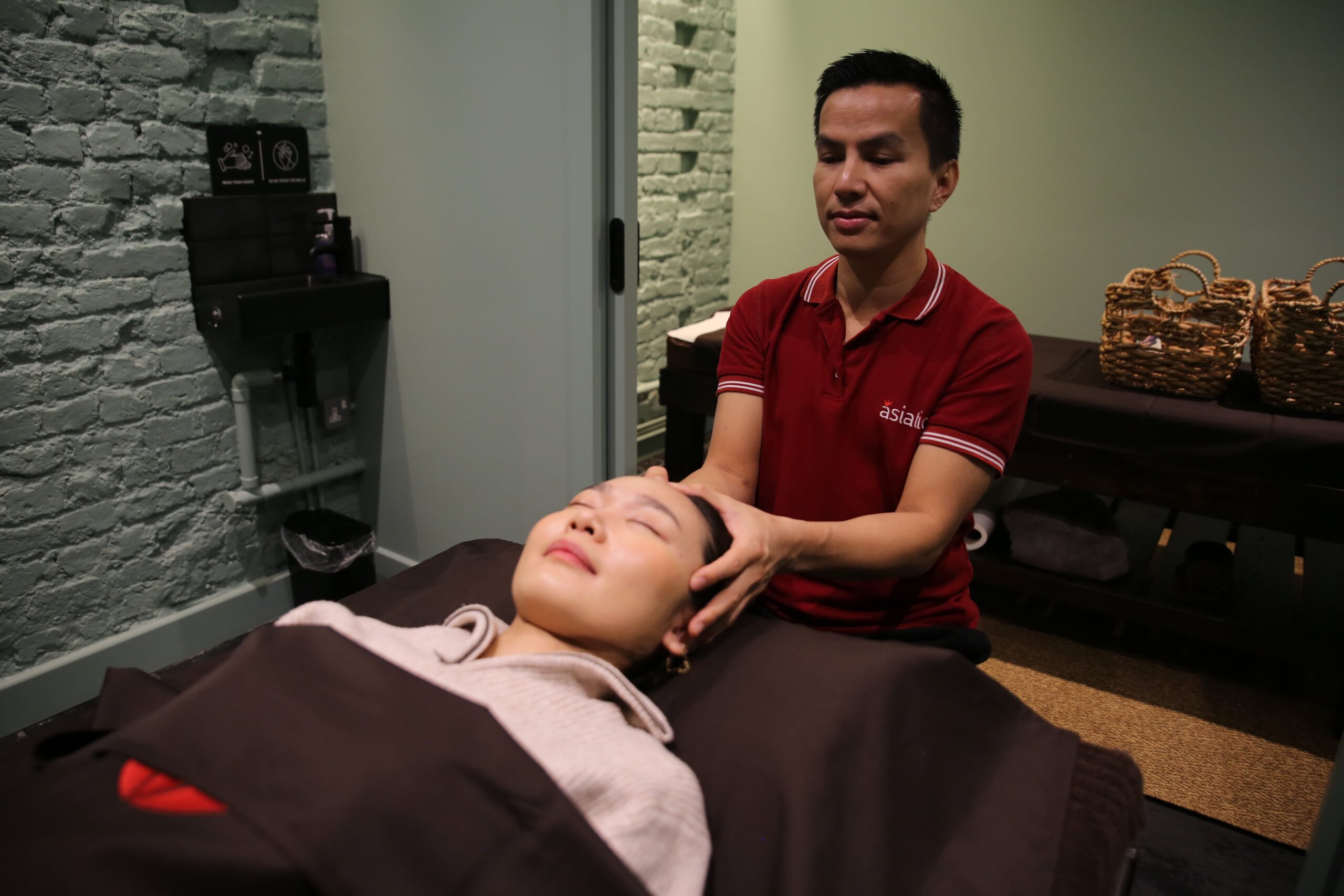
Alex is a skilled Thai massage therapist at Asiatic Massage Boutique & Wellness in Islington. He has seven years of experience, including about three at Asiatic.
Alex is originally from Northeast Thailand. He offers a calm, flexible approach to Traditional Thai Massage, assisted stretching, Deep Tissue Massage, and relaxation-focused treatments.
Alex is known for switching easily between firm, focused pressure and gentler techniques. He tailors each session to match the client’s comfort and preferences.
Learn more about our skilled massage therapists in London and the unique techniques they offer at Asiatic’s Angel and Highbury studios.
When he’s not working, Alex likes running, photography, exploring quiet parts of London, and planning new trips. In his sessions, he focuses on clear communication, careful pressure, and adapting each massage to the person he’s treating.
We asked Alex how he became a massage therapist, what he values in his work, how he keeps learning, and the advice he shares with clients new to massage.
2026 Editorial Update: We reviewed and updated this therapist profile to reflect Alex’s role at Asiatic, his approach to Thai massage and bodywork, and his availability across our Angel and Highbury studios in Islington.

Alex, an experienced Thai massage therapist at Asiatic Massage Boutique & Wellness in Islington, is known for his calm approach, careful pressure and thoughtful bodywork.
What inspired you to become a massage therapist?
Alex chose massage because he saw how bodywork helps people slow down, feel present, and reconnect with their bodies.
“During my training, I began to understand that massage is not only about working on muscles,” Alex explains. “It is also about listening, adjusting, and creating a space where someone feels safe enough to relax.”
Thai massage became important to Alex because it blends pressure, stretching, rhythm, compression, and body awareness. He prefers to tailor each session to the client’s comfort, lifestyle, and reasons for coming in, instead of using the same approach for everyone.
At Asiatic, this approach fits with our overall philosophy: professional care, clear communication, and thoughtful bodywork for every client.
Can you tell us about your training and massage background?
Alex trained in massage therapy in London and learned several bodywork styles, including Thai massage, deep tissue techniques, relaxation-focused massage, and assisted stretching.
His training gave him a solid understanding of massage techniques, client comfort, body positioning, pressure control, and safe communication. He keeps building his skills through practice, ongoing learning, and client experience.
For Alex, learning continues even after earning his qualifications.
“I believe a therapist should keep learning,” he says. “Every client teaches you something. Everybody is different, so you have to stay attentive.”
When Alex visits Thailand, he often gets massages from experienced traditional Thai practitioners. He treats this as part of his ongoing learning, watching their technique, rhythm, pressure, and their approach to the body.
What do you enjoy most about working as a massage therapist?
For Alex, the best part of massage therapy is seeing clients leave feeling calmer, lighter, and more comfortable than when they arrived.
“What I enjoy most is when someone relaxes during the session,” Alex says. “You can feel when the body starts to let go. That is a very meaningful part of the work.”
Alex doesn’t just focus on strong pressure. He values timing, rhythm, and listening to the client. He believes a good massage should feel thoughtful, not rushed.
What type of massage do you specialise in?
Alex’s main focus is Thai massage, especially the mix of pressure, assisted stretching, compression, and mindful body positioning. He also uses deep-tissue techniques and relaxation-focused bodywork, depending on what each client needs.
Thai massage stands out because it works the whole body differently than oil-based massage. It can include stretching, pressure along traditional Thai lines, and rhythmic movements to support body awareness and relaxation.
At Asiatic, Alex adapts each treatment to the client. Some people want firmer work on their shoulders, back, or legs. Others need a slower, gentler session to help them relax. The goal is always to work within the client’s comfort level.
What areas of tension do clients often mention?
Many of Alex’s clients report tension in their necks, shoulders, lower backs, hips, or legs. These are common trouble spots for people in London, especially those who spend long hours sitting, commuting, standing, training, or carrying stress in the upper body.
Alex often works with clients who feel tight from desk work, gym routines, travel, or daily stress. He asks questions, listens carefully, and adapts each session instead of making assumptions.
“Communication is important,” he says. “If the pressure is too strong, the client should tell me. If they want more focus on one area, they should say. A good massage is a conversation.”
How do you help first-time massage clients feel comfortable?
Alex knows that first-time clients might feel unsure about what to expect. Some people worry about pressure, discomfort, body positioning, or if they need to explain everything before the session starts.
His advice is simple: communicate openly.
“If it is your first massage, tell your therapist,” he says. “You do not need to know all the correct words. Just explain how you feel, where you feel tension, and what kind of pressure you prefer.”
At Asiatic, clients are encouraged to speak up before and during their treatment. This way, the therapist can adjust pressure, positioning, and focus areas to make the session more comfortable and personal.
What does self-care mean to you in London’s busy pace?
Alex believes self-care can be simple. For people in London, small routines like walking, stretching, breathing, resting, drinking water, or taking screen breaks can make a real difference.
As a runner, Alex knows that movement helps with mental clarity and physical energy. As a therapist, he also values rest.
“Many people wait until they feel very tired before they look after themselves,” he says. “Sometimes it is better to pause earlier.”
Massage can be part of a bigger self-care routine. It doesn’t replace medical care, physiotherapy, rest, or movement, but it’s a helpful way to slow down and pay attention to your body.
How do you continue learning as a therapist?
Alex keeps learning through practice, observation, further study, and talking with other therapists. He’s especially interested in how traditional Thai massage can be adapted respectfully for clients in London today.
He also believes that working with clients in the treatment room is one of the best ways to learn.
“Each client is different,” he says. “You learn by paying attention. You learn from pressure, breathing, posture, reaction, and communication.”
This ongoing learning helps Alex keep his work thoughtful, careful, and responsive to each client.
What sets Asiatic apart for you?
For Alex, Asiatic stands out because it balances Thai massage tradition with professional standards and a calm boutique setting.
“Asiatic has a strong identity,” he says. “It is not only about giving a massage. It is about the whole experience: how the client is welcomed, how the room feels, how the therapist communicates, and how the treatment is adapted.”
Asiatic’s Angel and Highbury studios are both on Upper Street. Each has its own feel, but both focus on thoughtful bodywork, respectful service, and a calm space where clients feel supported.
What advice would you give to someone booking a massage with you?
Alex encourages clients to come in with an open mind and to communicate honestly.
Before your session, let your therapist know about any injuries, health concerns, pregnancy, discomfort, or pressure preferences. During the treatment, speak up if anything feels too strong, too light, or uncomfortable.
After your session, Alex suggests drinking water, moving gently, and giving your body time to settle.
“Massage is not something you have to understand perfectly before you try it,” he says. “Just come as you are, and we will work from there.”
About Alex
Alex is a Thai massage therapist at Asiatic Massage Boutique & Wellness and has seven years of professional experience.
He specialises in Traditional Thai Massage and assisted stretching. Alex combines firm Deep Tissue techniques with gentler, flowing treatments to suit each client’s preferences.
Alex works at both our Angel and Highbury studios on Upper Street in Islington.
Interested in booking a massage with Alex?
Just contact our reception team and ask for Alex by name. We’ll help you book an appointment at your preferred studio, depending on availability.
Meet Alex at our studios:
Asiatic Angel
93 Upper Street, London N1 0NP
Asiatic Highbury
262 Upper Street, London N1 2UQ