Pregnancy Massage in London: The Ultimate Guide to Your Needs
Pregnancy is a transformational time – physically and emotionally. Because of the rapid changes your hormones are going through each day/week, many women start to notice physical side effects of those changes in the form of lower back pain, pelvic area discomfort, and hip tightness, due to the relaxation of ligament structures throughout your body, particularly in your pelvis, because of the hormone relaxin. Therefore, finding ways to relieve these symptoms is essential for pregnant women.
In addition to physical symptoms, pregnant women may also develop anxiety and depression. Anxiety is a common experience for pregnant women, but if it becomes excessive or is accompanied by depression, it could potentially impact the entire prenatal experience. Regular massage can provide relief for symptoms associated with depression and anxiety and provide an alternative method for managing prenatal stress. Research indicates that babies born to mothers who experienced depression during pregnancy showed increased cortisol, which is the primary stress hormone in the body, indicating the need for reducing stress during this time frame. Research also shows that massage therapy can significantly reduce anxiety and stress in expectant parents, providing a supportive and healthy environment for the baby before birth.
As there are so many recognised benefits of pregnancy massage, it should be considered an integral component of prenatal care and not just an option as a luxury. Expectant mothers need to understand the options they have for massage therapy to make informed decisions about their care and to empower themselves to take control of their own health. This guide will provide you with the most effective massage therapies for pregnant women and information and suggestions to support a safe, pleasant, and satisfying pregnancy experience.
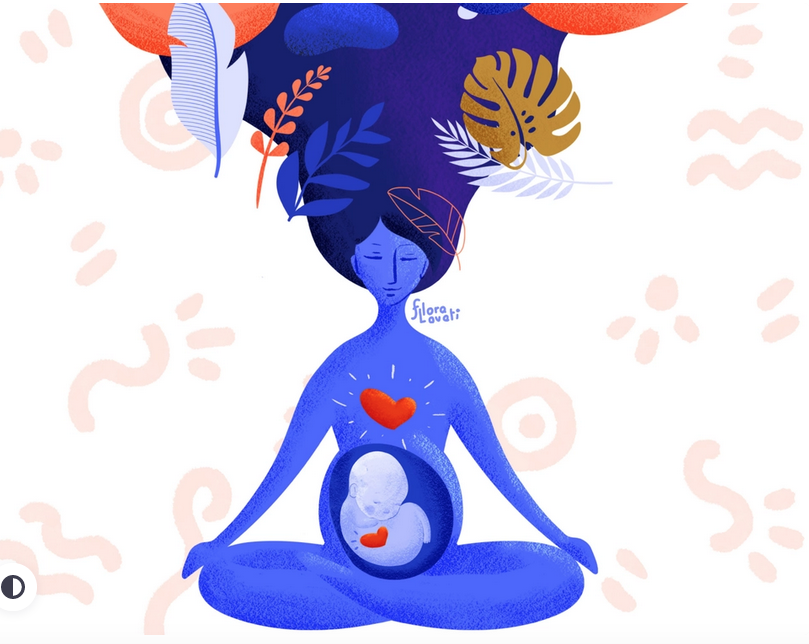
What is a pregnancy massage?
Prenatal massage is a form of massage therapy for pregnant women to help them find relaxation and comfort throughout pregnancy and the postpartum period. It is a soothing, nurturing full-body massage (usually taking approximately one hour), typically done on a specialised pregnancy massage table, using pillows and/or bolsters so you may lie on your side.
It’s essential to have your massage therapist support your lower back and belly so that they do not put pressure on your uterus and baby. Most obstetricians and midwives advise patients to lie on their sides during a massage; however, some pregnancy massage tables are specifically designed to allow you to receive a massage in a supine (on your stomach) position if you have conditions such as sciatica or lower back pain during pregnancy. Please consult with your healthcare provider before receiving a pregnancy massage and always follow their recommendations regarding lying flat on your back during pregnancy.
History of Pregnancy Massage
Massage therapy for pregnancy, which can be described as “a type of treatment for a pregnant woman”, was developed to reduce pain/discomfort and promote relaxation from the time of conception until delivery by utilising specialised strokes and massage techniques. Massage has been an integral part of birth care across cultures. An example of this is found in the ancient Hindu Ayurvedic medical texts, where the author recommends applying special oils to pregnant patients’ swollen abdomens as a massage technique. The traditional Eskimo carving depicting a father holding and gently stroking his wife’s back during labour is another example of how massage has been utilised to help manage pain during childbirth. A third example of massage being used during the birthing process can be seen in the way Irish hospital doulas/midwives support the pregnant woman physically and emotionally.
For thousands of years, skilled midwives have offered compassionate support and relieved the discomforts of childbirth for countless women. As massage therapy regains recognition within Western healthcare practices, pregnancy massage has emerged as one of its rapidly growing specialised applications.
Benefits of pregnancy massage
Although many studies document the positive impacts of massage, very few have examined prenatal or postnatal massage. Although these studies validate the effectiveness of massage during pregnancy and after pregnancy, they also provide benefits for both the mother and baby. So let’s discuss some of the documented potential benefits of pregnancy massage and how an abundance of scientific studies back this area of massage. Pregnancy massage, also known as prenatal massage, is specialised for pregnant women. Pregnancy massage involves gentle stroking techniques to alleviate pain and discomfort while promoting relaxation for expectant mothers throughout their prenatal period.
Pain relief
Pregnancy causes many women to experience both muscular strain and pain. The most common include lower-back pain, leg cramps, and swollen ankles. Massage, however, provides an opportunity to relieve some of those pains and relax. Studies show that massage, particularly prenatal massage, is very effective at reducing all sorts of pain (specifically, backache and leg pain) that is so common among pregnant women. As such, adding massage to your routine while you’re pregnant will likely be beneficial, helping alleviate tight hip muscles, sore legs, and backaches.
Improving circulation
During pregnancy, many women experience a dramatic increase in their blood volume. A prenatal massage can help stimulate blood circulation and support both the mother and the baby. Blood circulation can be stimulated and improved through this type of massage, reducing discomfort associated with swelling and oedema common to pregnancy. By increasing blood circulation and reducing fluid retention, a prenatal massage can address many common pregnancy discomforts.
Reducing stress
Expectant mothers may find pregnancy to be stressful and anxiety-ridden. Pregnancy massage has been shown to decrease levels of stress hormones in the body and increase endorphin production, creating an environment of emotional wellness.
Improved sleep
Do you have sleepless nights during pregnancy? If so, receiving a massage can help improve your sleep quality and patterns. Massage has been shown to induce sleep in pregnant women quickly. It has also been shown to help you fall asleep for longer stretches. This may be related to lower stress levels after a massage.
Decreased cortisol levels
Massage during pregnancy helps lower cortisol levels, which in turn boosts mood and relieves tension and stress.
Stress is the greatest enemy of overall well-being, especially in the long run. Pregnancy massage promotes overall health and well-being by reducing cortisol levels.
Newborn’s health
Massage during pregnancy has been shown to improve birth outcomes. For example, babies born to parents who receive massages during pregnancy are less likely to be born prematurely and more likely to have an adequate, optimal birth weight.
Again, these results may be directly linked to low cortisol levels in parents who received massages during pregnancy.
Postpartum Depression Reduction
A study indicates that getting massages during pregnancy reduces the risk of postpartum depression (PPD).
Bonding and Connection
Engaging in any nurturing touch during pregnancy can contribute to bonding between the expectant mother and the growing baby. Pregnancy massage creates a calm, soothing environment that fosters relaxation and enhances the connection between the mother and the unborn child.
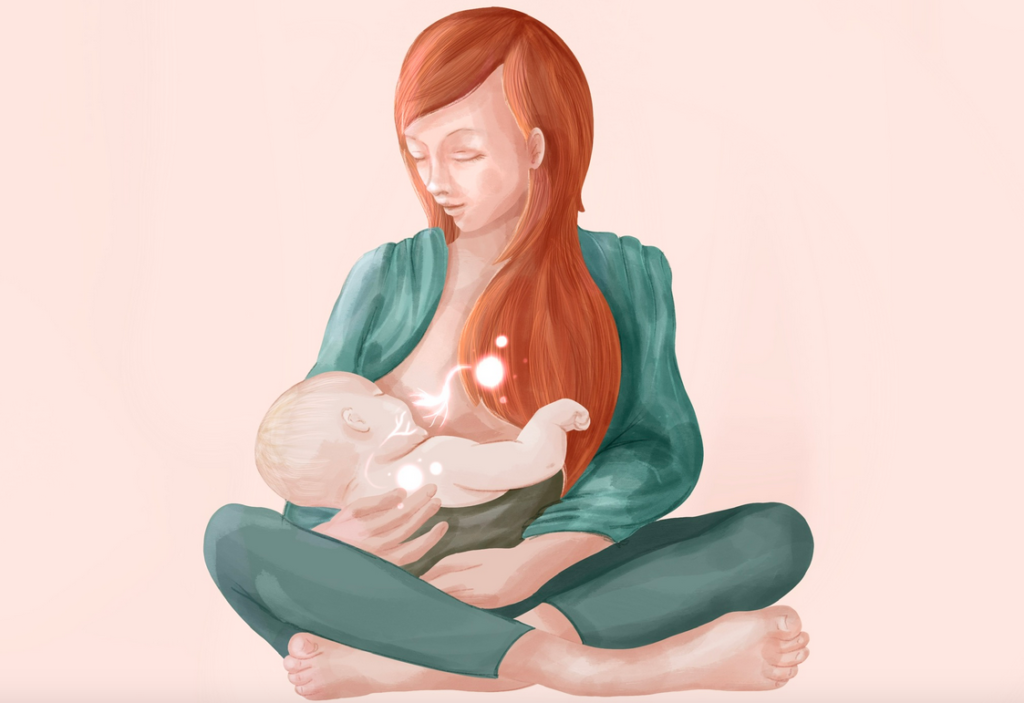
Is pregnancy massage safe?
Generally, yes, if you take a few precautions. Prenatal massage is safe after three months of pregnancy, but you should first seek the green signal from your physician and let your practitioner know about your pregnancy. However, receiving a massage during the first three months (trimester) of pregnancy can induce morning sickness and dizziness in some people.
Despite the lack of scientific evidence, certain myths surround pregnancy massage. For example, many practitioners will avoid specific pressure points to avoid triggering contractions. However, there’s no scientific data about any magic button that can induce labour if pushed during a pregnancy massage.
Indeed, there’s no link between prenatal massage and miscarriage. Most practitioners advise against entertaining clients during the first half of their pregnancy. Since most miscarriages happen during the first trimester, they do so to avoid any liability issues should a miscarriage occur. However, it’s always wise to consult your doctor before having a first-trimester massage.
Another area of concern is the vast variation in training. In addition, there are a few certification standards worldwide. Indeed, there’s no set minimum training for a massage therapist, nor are there any widely accepted training standards for a particular type of massage, such as pregnancy massage.
Precautions
First and foremost, you should avoid having your tummy rubbed during pregnancy massage as it causes unnecessary strain on the uterus and can make you uncomfortable. However, no data or reported cases support the notion that massaging a pregnant woman’s belly induces labour.
It’s also a good idea to avoid lying on your back during the second half of your pregnancy. It compresses your baby and uterus against the placenta, limiting blood circulation.
You should also avoid deep tissue work on your legs during a pregnancy massage. This is because pregnant women are prone to developing blood clots, especially in the lower legs, which may dislodge due to deep tissue work. This is why most pregnancy massage practitioners use light, slow strokes on the legs to avoid any complications arising from dislodged blood clots. For other body parts, you can apply as much pressure as you like.
Another worthy consideration is ensuring that your massage therapist specialises in prenatal massage. No specific certification is required in most countries. Hence, it’s entirely your responsibility, for your safety, to inquire whether your therapist has the necessary qualifications and training to do the job.
It’s also wise to consult your doctor before receiving a prenatal massage, particularly if you have a health issue. Diabetes, fever, hypertension, abdominal pain, and bleeding involve many complications that can make pregnancy massage risky.
How often should you get a pregnancy massage?
While there’s no scientific data to support the notion that pregnancy massage is unsafe during the first trimester, most practitioners strictly avoid it. This may be because most miscarriages happen during the first three months of pregnancy. However, there’s no established link between a miscarriage and a prenatal massage.
However, some women report dizziness and morning sickness after receiving a massage during their first three months of pregnancy. Still, it’s uncertain if receiving a massage causes these symptoms.
Since there are too many myths and misconceptions surrounding the topic, the “placebo effect” may kick in and induce symptoms; therapy is recommended once a month until 27 weeks of pregnancy and then twice up to 36 weeks. After that, visits can be increased to once a week until the child is born.
As you can see, the general rule of thumb is to start by visiting your therapist once a month and then gradually increase the frequency of visits as birth time approaches.
Ultimately, it is paramount to keep your subjective wellness and feelings in mind. If you’re indecisive about your needs, consider consulting with your doctor and a certified prenatal therapist for guidance. A certified massage therapist should be able to advise you about how often you should get a massage and adapt the therapy based on your specific needs.
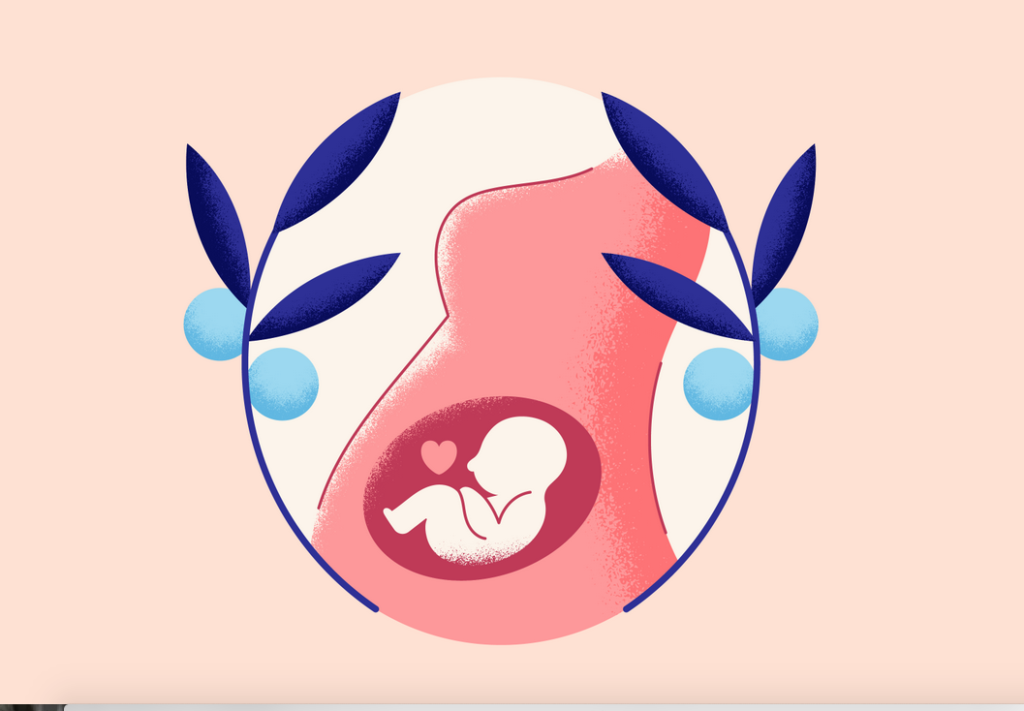
What to expect during a pregnancy massage?
Learning a few things before visiting your massage therapist for a prenatal massage is beneficial. A prenatal massage session typically lasts between 60 and 90 minutes, although it may be even longer. However, in most cases, it’s at least 60 minutes.
A well-trained prenatal therapist will have complete knowledge of a pregnant woman’s anatomy and physiology. They will utilise this knowledge and experience to recommend the most suitable position for the massage and which types of strokes and pressure points to avoid.
Scenting Serenity: Aromatherapy for Pregnancy
Some practitioners use aromatherapy oils to amplify the effect of massage on pregnant women. Some women may be allergic to the smell of specific essential oils. If you have any such issues, you may ask your therapist to avoid using a particular oil.
It’s worth noting that aromas can’t account for all the benefits of aromatherapy. The fragrance alone can create a sense of well-being in you, which is a psychological effect. This psychological feeling of well-being, in turn, can also lead to many positive bodily changes. However, the genuine magic part is played by essential oils.
Aromatherapy is incredibly useful in curing muscular aches, fatigue, and insomnia during pregnancy. When rubbed, these oils ease stress and promote relaxation in pregnant women.
Who doesn’t know our bodies have oil-producing glands, called “sebaceous glands,” in the skin? These glands produce an oily secretion called “sebum,” which protects our skin against numerous microorganisms. Applying oil to our body, especially after bathing, provides similar benefits.
A BBC report, citing data from multiple studies, suggests that oil massages can enhance a newborn’s weight gain, reduce the risk of bacterial infections, and decrease infant mortality by up to 50%. Studies cited in the article indicate that oil massages, even as simple as a tummy rub, benefit the infant’s overall well-being.)
Pregnant women, especially those with complications or high-risk factors, may be asked to secure a release from their obstetric providers, which is a good practice anyway.
How do you give a prenatal massage at home?
These tips can be used at home by your partner or friend to give you an excellent prenatal massage:
- Rub the back of the foot with lotion for smoother strokes. Next, rub the feet in small circles around the ankles, from the toes to both ankles. Next, draw small circles under the toes using both hands and thumbs. Additionally, move your thumbs down and up over your heels. You can also gently pull the toes and rub between the toes with your thumbs and index fingers. It is best to avoid pressing the heel against the ankle bone, as it can be uncomfortable.
- Ask the recipient to lie face down and stroke her back with both hands. (It’s best to have a specifically designed massage table with a cutout in the middle to avoid pressure on the baby, uterus, and placenta. Otherwise, don’t make a pregnant woman lie face-down too long.) Concentrate on the muscles on either side of the recipient’s spine. Then, knead the muscles using the pads and bases of your thumbs. Using your hands, massage the scalp from the base to the hairline. Gentle stroking will help the recipient relax. You should avoid unnecessary long and deep strokes as they can make people with weak, sensitive hair uncomfortable, doing more harm than any massage form can cure.
- Using the palms of your hands or fingertips, gently press down on the neck muscles. Slide between the top of the shoulder and the base of the skull. The procedure should be performed on the posterior and lateral sides of the recipient’s neck.
- Do not massage the stomach! If the recipient desires it, gently rub the tummy briefly.

Myths surrounding prenatal massage
Even though pregnancy massage incorporates many benefits for an expectant mother, many myths and misconceptions surround the topic. These myths are promoted and amplified on online forums and social media, acting as a significant barrier to the scientific exploration of this massage form. Let’s examine the most common myths about pregnancy massage and debunk them.
1. Prenatal massage can lead to miscarriage
There are many causes of miscarriage, but prenatal massage is not one of them. Some of the common reasons for miscarriage include maternal age, improper implantation of the fertilised egg, drug use, and trauma. Needless to say, miscarriages tend to occur during the first trimester, which is why many massage service providers only accept clients who are at least in their second trimester.
2. You should not continue the massage for the entire pregnancy
This myth probably arose from the fear of hurting the pregnant woman and the baby in her belly. Your body is much stronger than you think – yes, even when you are pregnant. Needless to say, many women have told us how massage therapy has made their pregnancies easier. Unless your doctor has told you to refrain from massage during pregnancy, you are always free to receive a massage (although most massage therapists will not give you a massage if you are less than 12 weeks pregnant). Tell your massage therapist if you are concerned that the massage may be too stimulating for you or your baby. They can adjust the intensity and pressure to suit your preferences, avoiding sensitive areas as needed.
3. Massaging the ankles or feet can induce labour
This is probably the most harmful myth about pregnancy massage ever invented, leading expectant mothers to believe that pregnancy massage can cause a miscarriage. Consequently, they avoid a relaxing massage and instead endure ever-increasing, unbearable body aches. Indeed, it’s safe to assume that your pregnancy massage therapist understands your body greatly and will avoid massaging any body parts that are particularly sensitive to to-be moms.
Food and ankle massage are particularly beneficial for pregnant women with swollen ankles and feet, caused by the baby’s increased weight and retained fluids.
Do not confuse pregnancy massage with labour massage, which is a particular form of pregnancy massage meant to ease the delivery. The latter should be received after the expected delivery date. There is a clear difference between pregnancy massage, which only relieves discomfort during pregnancy, and labour massage, which helps induce labour naturally.
How are pregnancy massage therapists trained?
Regrettably, there is no universally recognised minimum requirement for the education, training, or hands-on experience needed to become a pregnant massage therapist. However, in most cases, a minimum of 500 hours of education and training is required for other forms of massage. It’s worth noting that the availability and quality of education classes, training programs, and workshops focused on pregnancy massage can vary widely, depending on the level of education, training, and hands-on experience they offer.
1. Importance of qualified and experienced therapists:
When deciding to receive a prenatal massage, there are many reasons to choose an educated, skilled massage therapist who is specifically trained in prenatal massage techniques. A trained prenatal massage therapist will understand the needs and concerns of a pregnant woman at this time, allowing them to provide safe and efficient prenatal massage.
2. Considerations for timing and trimester-specific precautions:
Before obtaining a prenatal massage, it is recommended to speak with your healthcare providers about potential risks and any underlying medical issues. Specific massage techniques may not be suitable for all stages of pregnancy, so it would be best to seek the advice of a professional before having a prenatal massage.
3. Focus on safety and comfort:
Massage therapists who specialise in prenatal massage will utilise specific techniques of positioning during a massage because of the many ways that pregnancy has changed the pregnant individual’s body. These therapists may utilise specialised bolsters, pillows and other supportive materials to keep the client as comfortable as possible during the massage and to provide an environment that allows the therapist to support the client safely throughout the massage.
Aspects such as qualified therapists, when in your pregnancy you can receive a massage, and how the client is positioned all need careful consideration when choosing a prenatal massage to ensure the client has a safe and enjoyable experience. Therefore, it would be wise for pregnant women who wish to pursue massage therapy to consult with their health care provider before receiving any massage and to inform their massage therapist of their expectations beforehand.
These include, but are not limited to, relief from some of the discomforts of pregnancy, reduced stress and anxiety, improved circulation, and enhanced the bond between the mother and child. To ensure a safe and enjoyable experience for a pregnant individual, they must consult with their health care provider and select a reputable, well-qualified massage therapist. Before initiating any new treatments or therapies, each individual must consider their unique situation and any medical conditions.
Best 5 Places to Get a Pregnancy Massage in London – Reviewed in Detail
Pregnancy is a particular phase of a woman’s life, which involves many physical, psychological, and behavioural changes. No matter how magical you feel about your pregnancy, there may be occasional or perpetual cries and woes of backaches, leg pains, and swollen feet, not to mention a general sense of being exhausted. If you’re experiencing the same, an excellent prenatal massage is all you need. Incorporating pregnancy massage into your weekly or monthly routine would be great. Anyway, it should find a proper place on your priority list.
But where do you find a pregnancy massage if you live in London, a city with its unique hustle and bustle? Luckily, many spas in London offer pregnancy massage services. Sadly, most lack the education, training, and hands-on experience to give a prenatal massage. Some have an uncomfortable environment, contributing to more fatigue than any massage can cure. Above all, even though pregnancy massage is considered safe, it involves many risks and requires your massage therapist to observe several precautions. So you need an authentic, authoritative list of the best massage spas in London specialising in pregnancy massage.
Hunting for a good pregnancy massage spa in London is quite an uphill task. You may eventually find a reputable spa to receive a pregnancy massage, but it may take some time and effort. To save you from the hassle, we have created this list of the top 5 places to get a pregnancy massage in London. Read on to learn about these places and how they compare against each other.
Asiatic Thai Massage, Islington, London – Overall Best
Asiatic Thai Massage is undoubtedly the best place for pregnancy massage in Islington, London. Unlike other massage spas in London, it specialises in pregnancy massage and has a dedicated treatment framework for every client. Indeed, pregnancy massage is one of the five services they offer, along with Thai Foot Massage, Thai Yoga Massage, Asian Thai Massage, and Back and Shoulder Massage.
The staff at the Asiatic Thai Massage are very welcoming and friendly. They receive you warmly and offer an ergonomic, comfortable chair to relax in a tranquil environment before the massage begins. They also offer you a cup of green tea as a welcome gesture.
The Asian Thai Massage’s speciality pregnancy massage is designed to relieve your physical and mental stress. They have well-trained professionals who understand your body during pregnancy even better than you do.
There’s no pregnancy massage spa in Islington, London, with a serene environment and trained massage therapists like those at Asiatic Thai Massage. The Asiatic Pregnancy Massage has garnered over 2,000 positive reviews on Treatwell, with an overall rating of 4.9. The spa has a 4.8 rating on Yelp, a 4.8 rating on TripAdvisor, and a 4.8 rating on Google My Business, a testament to their excellent pregnancy massage services from hundreds of original clients.
We highly recommend the Asiatic Thai Massage for a pregnancy massage in London.
Great for:
- Reducing pain, Thai Massage is particularly beneficial for women experiencing body aches, leg pains, and swollen feet during pregnancy. The brand’s rich expertise in traditional Thai massage enables it to devise a personalised treatment framework tailored to each client.
- Relaxing your mind. As mentioned, the traditional Thai massage incorporated into the Asian Thai Massage includes many techniques commonly used in prenatal massage. Since traditional Thai massage is more than just standard massage therapy, it can help alleviate your mental stress and perpetual worries, providing the true relaxation you deserve.
- Improving circulation. The Asiatic Thai Massage’s pregnancy massage enhances your body’s blood circulation and lymphatic drainage.
- Luxurious and tranquil environment
- Professional and friendly staff
Why choose the Asiatic Thai Massage for pregnancy massage in Islington, London?
The Asiatic Thai Massage in the middle of Islington, London. An inviting sanctuary, we are located just opposite the city’s hustle and bustle. We take pride in providing a professional and respectful environment; we also aspire to offer you a retreat from the commotion of life. Our peaceful spa has natural daylight pouring into it. Managing Director Pathumpon Jatikate (Apple) oversees the day-to-day running of the spa. She is a successful entrepreneur and knowledgeable in the ancient form of traditional Thai massage.
At Asiatic, we promise to manage your stress, pain, and fatigue with our pregnancy massage services. Indeed, pregnancy massage is one of our five speciality massage therapies, the others being Thai Foot Massage, Thai Yoga Massage, Asian Massage, and Back and Shoulder Massage.
We believe a prenatal massage is much more than a foot or back rub. Instead, it’s a deep, relaxing experience that involves unwinding all your pregnancy-related troubles and massaging them away gently with hands, fingers, thumbs, and elbows. These movements are calculated and performed with mathematical precision, made possible through years of education, training, and decades of hands-on experience.
We strive to resolve your current issues and prepare your body for the months ahead. It’s more than 15 years since we’ve been in business, which has allowed us to find the right balance between delicacy and firmness, so our prenatal massage is gentle enough to be safe for you and your baby yet firm enough to work deep into your troubled areas.
We aim to alleviate your body aches and help you relax your mind through our pregnancy massage. Improved circulation and lymphatic drainage also ensure a more profound energy balance during our prenatal massage.
Not convinced yet?
No issues. However, please don’t leave without taking a look at what our clients say – our ultimate testimony. Today, we have a 4.8 rating on TripAdvisor and a 4.8 rating on Treatwell (with over 2,000 reviews). The Asiatic Thai Massage boasts a 4.8 rating on Google My Business and hundreds of client reviews.
These highly positive reviews from our clients on various platforms further bolster our confidence in claiming that Asiatic Thai Massage is the best place in London for a pregnancy massage.
Website address: Asiatic Thai Massage
Cost: £74
Phone: +44 20 7288 8702
Appointments: Book Online
Address: 93 Upper St, London N1 0NP, United Kingdom
Nearest tube station: King’s Cross, Holloway Road, Angel, Highbury & Islington
It is located in Greater London, England, near the Islington area, a district of the London Borough of Islington. From Islington’s High Street to Highbury Fields, it is a primarily residential neighbourhood of Inner London. It encompasses the area around the congested High Street, Upper Street, Essex Road (formerly known as “Lower Street”), and Southgate Road, extending eastward.
Massaggi – Best Caretaker for Pregnancy Massage in London
Massaggi is a one-stop solution for all kinds of massage therapies in London. Ben Pianese, a couch and massage therapist in London, has managed his three clinics for over 17 years. Pregnancy massage is one of the five massage forms he offers in all three clinics. His awareness of the human body and its functions was heightened after an injury, leading him to study and practice many massage modalities and healing techniques.
The pregnancy massage at Massaggi is performed on an ergonomic on-site chair with pillows. You lie comfortably on your stomach with a unique body cushion under your body while your head rests on a pillow.
They make minor adjustments to every client’s position, as everybody is different. During the session, a large cushion is provided for easy movement without exposing the area. Even though their rooms are properly heated, you can ask for a blanket for extra warmth.
Massaggi has received numerous positive reviews on Yell, Facebook, and TripAdvisor, boasting an overall 5-star rating, a testament to Massaggi’s exceptional expertise in pregnancy massage therapy. We’re impressed by how nearly every reviewer has admired Ben Pianese’s professionalism, understanding of the human body, and healing expertise.
As mentioned, one of the most impressive things about Massaggi is that they use body profiling to personalise pregnancy massage to your unique body needs. This enables them to pinpoint and focus on areas that require special attention. For example, they can use body profiling to learn more about your current muscle state and devise a massage plan tailored to each muscle’s condition.
Great for:
- Stress reduction
- Instant and lasting pain relief
- Faster turnarounds
- Deep tissue regulation (done gently)
- Body profiling lets your massage therapist at Massaggi customise your prenatal massage based on your specific body needs.
Cost: 60 mins/£80
Phone: 020 7226 4502
Appointments: massaggi.co.uk/
Address: 112 Marylebone High St, Marylebone, London W1U 4SA
Nearest tube stations: Oxford Street, Bond Street, Marylebone Station, Baker Street.
Marylebone is a neighbourhood in the City of Westminster, situated in the West End of London. It is located near Marylebone. Oxford Strip, the busiest retail street in Europe, forms its southern border. A former metropolitan borough and ancient parish, it united in 1965 with the boroughs of Westminster and Paddington to create the new City of Westminster. Two miles to the northwest of Charing Cross is Marylebone Station.
The ESPA Life at CORINTHIA – Best luxury spa for Pregnancy Massage in London
At the Corinthia Hotel, which is one of the most luxurious hotels in all of London, you will find the ESPA Life at Corinthia. As a luxury hotel, the ESPA Life at Corinthia sets itself apart from other five-star hotels through its attention to detail and commitment to delivering the best possible service to its clientele.
The ESPA Life at Corinthia charges very high rates for its services; however, it provides clients with top-of-the-line amenities and treatments that make the price justifiable.
For example, the SPA EXPERIENCE PASS is priced at £165 per person. It includes unlimited access to the advanced thermal spa areas, including a vitality pool, an amphitheatre-style sauna, a black marble steam room, and a sleep pod designed to create the perfect environment for relaxation and rejuvenation.
Great for:
- Aesthetics
- Luxury
- Relaxation
Cost: 60mins / £225
Phone: +44 (0) 20 7321 3050
Appointments: espalifeatcorinthia.com/
Address: ESPA Life at CORINTHIA, The Corinthia Hotel, Whitehall Place, London, SW1A 2BD
Nearest tube station: Victoria Station
The City of Westminster, based near Victoria and the Paddington area, includes Victoria in Central London. It bears the name of Victoria Station, a significant transportation hub.
The nearby Victoria Street inspired the station’s name. Streets, including Victoria Street, Buckingham Palace Road, Wilton Road, Grosvenor Gardens, and Vauxhall Bridge Road, which are next to or very close to the station, are referred to by this name. Victoria primarily comprises commercial real estate, private and public housing, and retail establishments along the main roadways.
The Lanesborough Club & Spa – Best For Pregnancy Massage In London
Lanesborough Club & Spa, London’s top luxury private membership club & spa, has developed an exceptional pregnancy massage offering that will be a once-in-a-lifetime experience for all pregnant women. The Rose Pregnancy Massage at this elite spa is a must-see for all pregnant women seeking a true prenatal treat in a world-class location.
Priced at £160 (60 minutes) or £205 (90 minutes), each client receives a comprehensive treatment that includes heated Himalayan poultice stones, gently placed in a soothing, rhythmic motion on the body at specific marma points to create a deep sense of relaxation and comfort.
The 90-minute version of this package also includes a lavish Blackcurrant and Himalayan Salt Body Scrub, which leaves your skin soft and nourished. As part of one of London’s top 5-star hotels’ amenities, the Lanesborough Club & Spa creates a peaceful atmosphere, perfect for pregnant women who want to relax and rejuvenate.
Great for:
- Ultimate luxury
- Dry skin targeting
Cost: 60mins / £160
Phone: +44 20 7333 7064
Appointments: lanesboroughclubandspa.com/the-club-spa/
Address: 2 Lanesborough Place SW1, London SW1X 7TA, United Kingdom
Nearest tube station: Victoria train station
Based in central London, near Victoria Street, it follows an east-west axis from Victoria Station to Westminster Abbey’s Broad Sanctuary.
Cardinal Place, built in 2006 and located across from Westminster Cathedral, has several eateries, banks, and stores, including a Marks & Spencer. Further down the street, in front of Westminster City Hall, there is a sizable House of Fraser department store (formerly the Army & Navy).
The Department for Business, Energy and Industrial Strategy building, the Windsor House offices of Transport for London, and the former New Scotland Yard building are all located at the Broad Sanctuary end (headquarters of the Metropolitan Police Service from 1967 to 2016).
The House of Elemis – Best For Massage for Pregnancy Near Me
The House of Elemis, a renowned spa destination, offers a range of massage services tailored to the unique needs of expectant mothers. Their prenatal massage, expertly crafted to promote deep tissue relaxation, provides a gentle, soothing experience that benefits both the body and mind. Additionally, the skilled therapists at The House of Elemis work to nourish and hydrate the skin, balancing its tone and leaving it looking radiant and healthy.
For a truly customised experience, The House of Elemis’ pregnancy massage is performed on a specially designed beanbag crafted with the needs of the mummy-to-be in mind. Perfect for expectant mothers seeking relaxation, rejuvenation, and a sense of calm, this massage therapy is an excellent way to alleviate common discomforts associated with pregnancy. Great for:
Great for:
- Dried skin
- Tension release
Cost: 60mins / £220
Phone: +44 20 7499 4995
Appointments: Flemings-mayfair.co.uk/the-house-of-elemis
Address: 2 Lancashire Ct, London W1S 1EX, United Kingdom
Nearest tube station: Oxford Street & Bond Street
Based near the West End area, the Western and Paddington areas, commonly referred to as the London West End districts, include parts of West and Central London.

Frequently Asked Questions
Can I receive a prenatal massage at any stage of pregnancy?
Yes, contrary to popular belief, massage is safe throughout pregnancy. A mum-to-be can receive a pregnancy massage at any stage–for example, during the first, second, or third trimester—provided she’s in good health.
Some practitioners avoid giving pregnancy massages to women in their first trimester. They do so to avoid liability issues because most miscarriages happen during the first 12 weeks of pregnancy. Otherwise, there’s no link between a miscarriage and a pregnancy message.
Who should avoid getting a pregnancy massage?
The following people should get clearance from their doctor before receiving a prenatal massage:
- Those experiencing nausea, vomiting, or morning sickness
- Those at high risk of miscarriage
- Those having a high-risk pregnancy, such as placental abruption (placenta slightly detached from the wall of the uterus) or premature delivery
Why is side-lying important during a prenatal massage and pregnancy in general?
Side-lying is done when the patient feels unable to lie on her stomach. This varies by client, but we generally recommend transitioning to the side-lying position in mid-pregnancy to reduce pressure on the vena cava. Stress on the vena cava affects blood flow to the mother and baby.
How is pregnancy massage different from regular massage?
There’s nothing like a regular massage. Massage has hundreds, if not thousands, of forms that differ significantly. If you prefer a particular form of massage, another person may dislike it just as much.
Like any other massage, pregnancy massage is tailored to the unique needs of a mother-to-be, and safety is of the utmost importance.
Your massage therapist may avoid certain areas or pressure points and use small, light strokes instead of long, deeper ones to prevent discomfort for your pregnant body. Some pregnancy massage therapists, such as Massaggi and Asiatic Thai Massage, also perform body profiling to personalise the massage.
What’s the best position to receive a prenatal massage?
Lying on your side with your belly supported by pillows or bolsters is the most stable and comfortable position for you and your baby. The pregnancy massage table is specifically designed for an expectant mother. It may have a cutout in the middle, allowing you to lie face down, which is the best position for most types of massage. Some massage tables are designed to enable you to lie on your back during the massage. These tables can be propped up to allow you to lie on your back in a semi-seated position. Some of these tables can also be elevated on their legs to reduce swelling.
The latter type of pregnancy massage table is safest, as it doesn’t press on the placental blood vessels and those in the feet, which carry blood from the remotest parts back to the heart.
Should I get my abdomen massaged during a prenatal massage?
Yes, it will bring you the ultimate comfort. However, most pregnancy massage spas avoid massaging the belly unless the client requests it.
You can give yourself a belly massage during pregnancy. However, it is advisable to use short, gentle strokes with a good lotion or oil.
What kind of clothing do I wear for a pregnancy massage? Do I need to remove my clothes?
A pregnancy massage can be performed in as much or as little clothing as you are comfortable wearing–we at Traditional Thai Massage leave it to the client’s discretion. We usually recommend that you leave your undergarments on and let’s cover them with a towel so that only the area to be massaged is exposed.
Is pregnancy massage painful?
Massages in stiff or inflamed areas can be uncomfortable and painful the next day. However, massage pressure can be as light or deep as needed. We strive to ensure you always feel comfortable and enjoy your massage. If you experience any discomfort, please notify your therapist immediately.
Is aromatherapy beneficial for pregnant women?
Contrary to popular misconceptions, massaging with essential oils during pregnancy offers numerous benefits. A study shows that aromatherapy can significantly reduce stress and enhance immune function in pregnant women. Numerous studies have demonstrated the effectiveness of oil massage for newborns in promoting weight gain, preventing bacterial infections, and reducing infant mortality by up to 50%.
How often should I get massages during pregnancy?
This is entirely up to you. There is no standard answer because each woman and pregnancy is different. If you are experiencing back pain, muscle pain, leg cramps, insomnia, swelling, or other symptoms, we recommend visiting us once a week during the last trimester of your pregnancy.
We also suggest starting with a prenatal massage once a month during the first trimester and gradually increasing your visits to your massage therapist. Getting a prenatal massage once a week is advisable in the last trimester.
During pregnancy. The answer to your question, for the most part, depends on your health condition and personal needs. You may want to receive more massages during the first trimester, depending on your physical and emotional needs.
How soon can I schedule a postnatal massage after delivery?
If you have a healthy pregnancy and delivery with no significant complications, you can schedule a postnatal massage as soon as you feel ready. However, in the case of a cesarean section, it is usually necessary to wait at least six weeks for the scar tissue to heal.
Are there any areas that should not be massaged during pregnancy?
Generally, there are no areas to avoid during a pregnancy massage. However, it doesn’t, in any way, imply that you should take no precautions. Instead, longer and deeper strokes should be avoided in some areas, such as the belly and legs.
Dislodged blood clots may arise due to rigorous massage techniques, giving rise to a set of complications. However, the widespread belief that massaging certain areas leads to miscarriages is baseless.